In brief
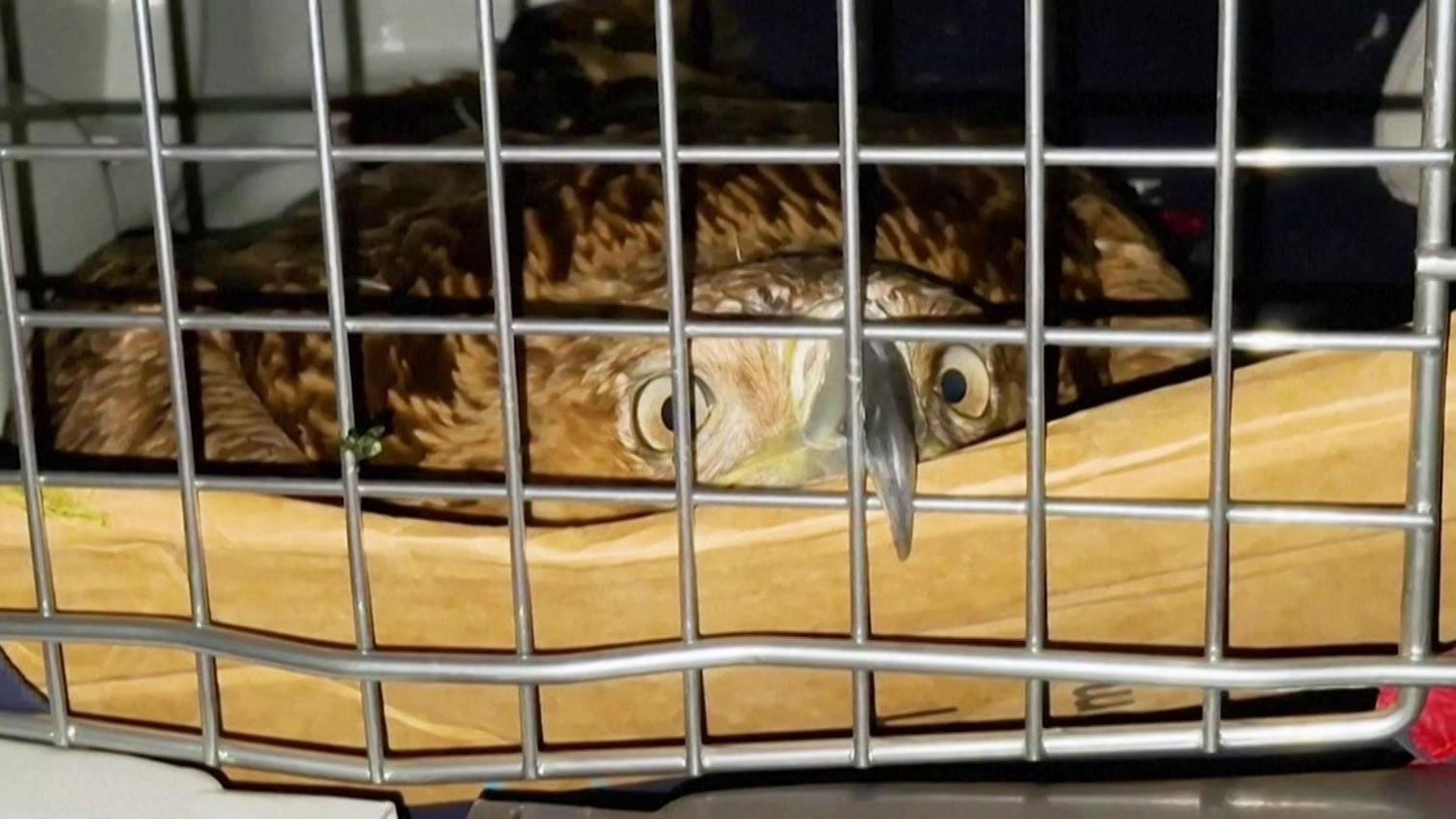
Feliks, a rare Eastern Imperial Eagle, was seized by poachers in Syria and later held captive in Lebanon for months. Serbian conservationists refused ransom demands, halting the smuggling chain and arranging the bird’s release. After intensive rehabilitation in a Beirut wildlife centre, Feliks was flown back to Serbia on a military transport and finally released at Palic Zoo. The rescue underscores ongoing efforts to protect Serbia’s endangered raptor population.
A critically endangered Eastern Imperial Eagle, Feliks, was rescued from traffickers, flown home on a Serbian military plane and released into the wild.
Serbian peacekeepers transported Feliks back to the country on a military plane.
Feliks fled his nest in eastern Serbia last year and was captured by poachers on the Syria‑Lebanon border. The poachers demanded a ransom that Serbian conservationists refused, refusing to support the smuggling network.
The bird was taken to a wildlife centre in Beirut where he spent more than half a year recovering. After intensive rehabilitation he was flown back to Serbia on a military transport and escorted to Palic Zoo for final preparation.
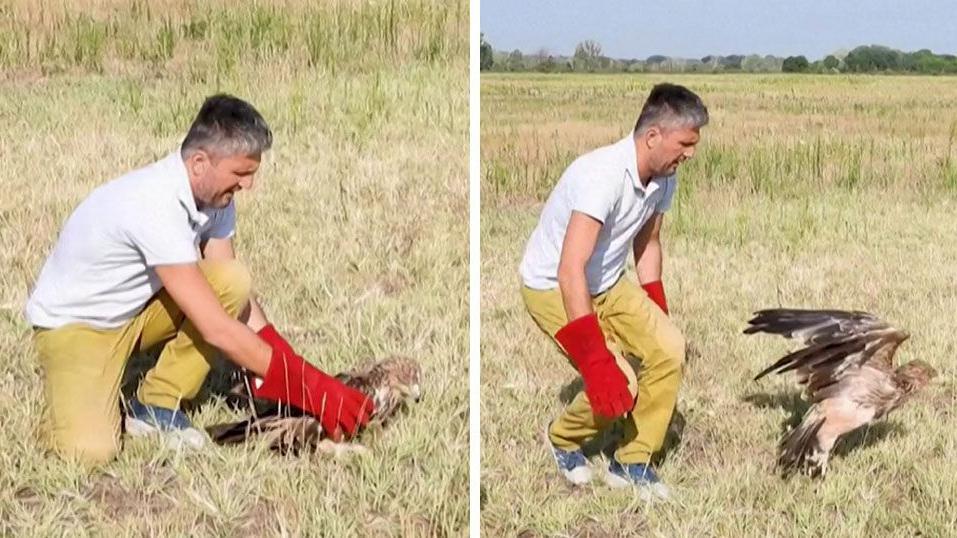
Feliks is now free in the Balkan forests.
Experts will monitor his adaptation in the coming weeks, hoping he will regain strength and establish his own territory. The rescue highlights Serbia’s ongoing efforts to protect critical wildlife amid environmental and human pressures.