The US-Israeli attacks against Iran, and threats against its energy infrastructure, alongside Tehran's retaliation on its Gulf neighbours, underline how the norms of starting and escalating international wars have been upended.
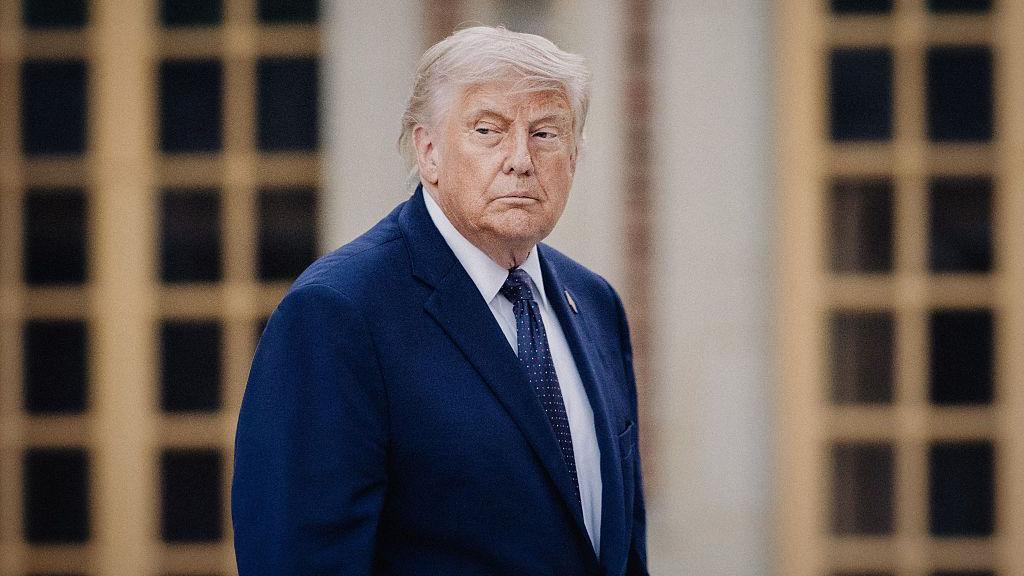
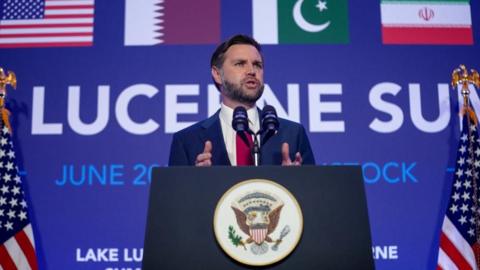
Amid threats to use overwhelming military force against Iranian energy facilities, President Trump signaled potential escalations, such as 'obliterating' key facilities if Iran retaliated against Qatari interests. This rhetoric reflects unprecedented strains on the global rules-based order, where the foundational laws meant to protect civilians and limit warfare are being challenged and violated.
Luis Moreno Ocampo, the founding chief prosecutor of the International Criminal Court (ICC), emphasized that the war on Iran constitutes a crime of aggression under international law, akin to previous conflicts where civilian infrastructures are targeted without just cause. He argues that aggressive military actions by the US, parallel to those conducted by Russia in Ukraine, pose serious questions about legitimacy and legality in warfare.
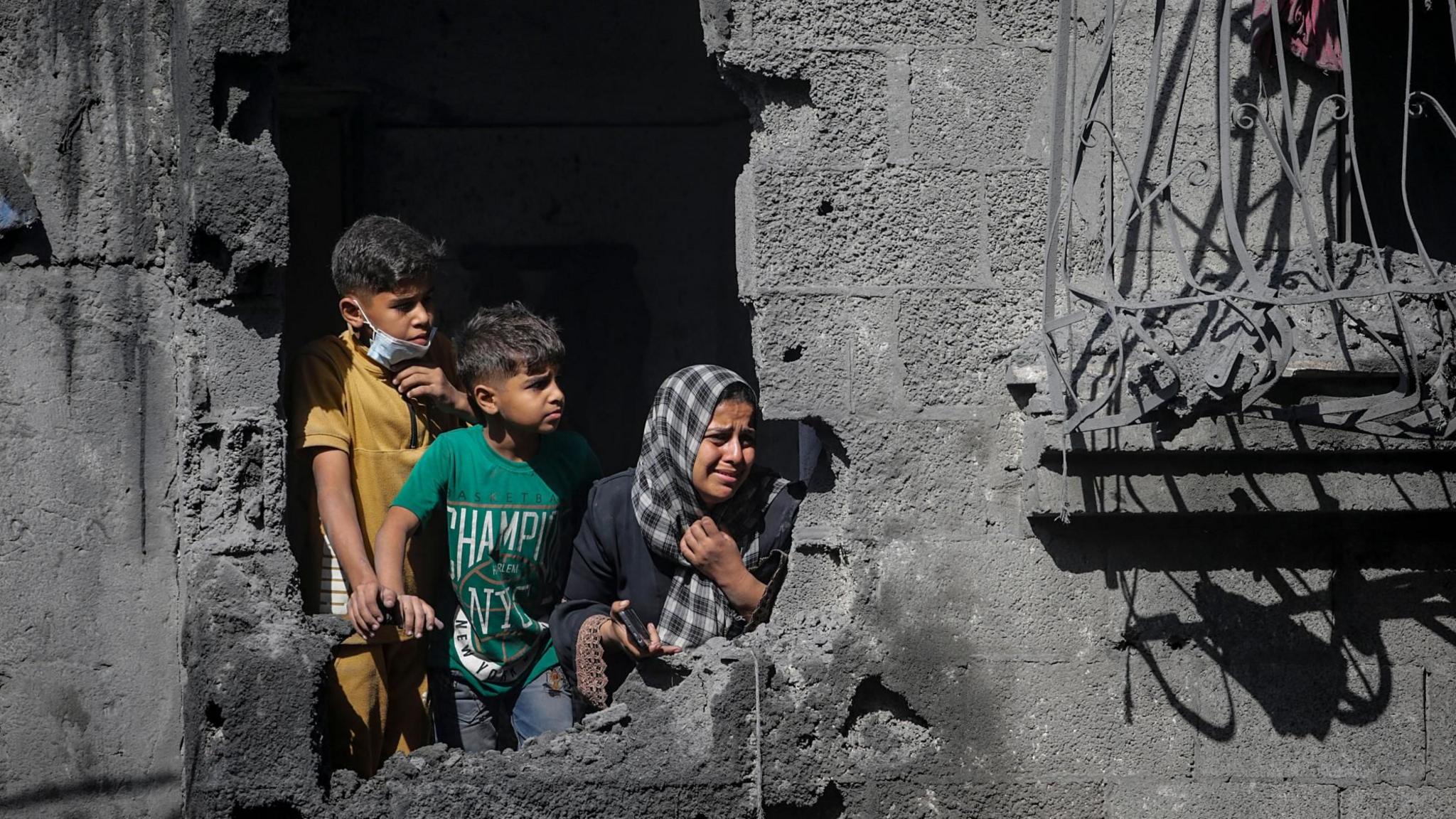
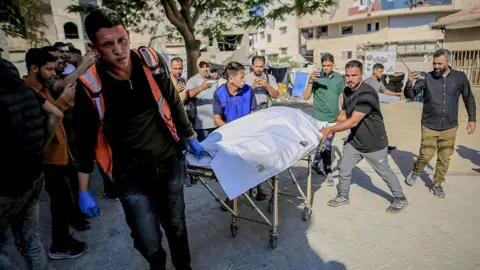
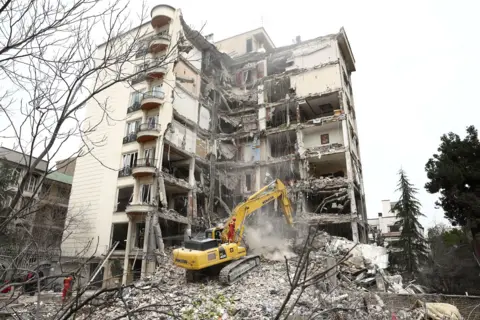
This conflict has seen significant ramifications not just for the countries directly involved but also for civilian populations. With reports of attacks on infrastructure vital for civilian life, analysts warn of devastating consequences for the Iranian people already suffering from power outages.
The situation escalates further when considering Iran’s counteractions against neighboring Gulf countries, signaling a potential cycle of aggression that could spiral out of control. Critics of the current US administration’s approach highlight a departure from previously established diplomatic norms, fostering an environment where might supersedes right in international relations.
Experts note that the erosion of trust from US allies, coupled with rising tensions, may signal a shift to what some have dubbed 'thugboat diplomacy', where unilateral threats and military actions become the new norm in dealing with sovereign states.