In brief
The South Korean government has mandated the installation of advanced bird detection equipment across all airports after a thorough investigation into the December 2022 crash of a Boeing 737-800 revealed evidence of a bird strike. Officials discovered feathers and blood stains on the engines. By 2026, these installations aim to improve early warning systems for aircraft, bolstering safety and reducing risk of future avian-related incidents.
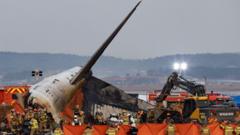
The tragedy, the worst in South Korean history, has prompted authorities to re-evaluate safety measures at airports. The Ministry of Land stated that bird detection radars—capable of tracking birds' size and movement—will be deployed, supplementing existing thermal imaging cameras. Currently, only four airports are equipped with such technology. In addition, hazardous bird attractants like rubbish dumps will be relocated away from airport zones. Further assessments have initiated review and enhancement of runway safety areas across seven airports in the country.The incident occurred shortly after takeoff from Bangkok, when the aircraft struck a bird three minutes before landing, leading to a mayday signal and a belly landing without gear. Tragically, the plane overran the runway, colliding with a concrete structure and resulting in a devastating explosion. Most passengers were middle-aged, with only two cabin crew members surviving the crash. Ongoing investigations are focusing on how both the bird strike and airport infrastructure contributed to this catastrophic event.