In brief
After years of historical inquiry and public requests, Switzerland's Federal Intelligence Service will open sealed files on Josef Mengele, known as the 'Angel of Death'. While the exact contents and timing remain uncertain, this development follows persistent allegations that Mengele may have spent time in Switzerland after World War II. Historians speculate on the implications, with some doubting the files' relevance to Mengele himself.
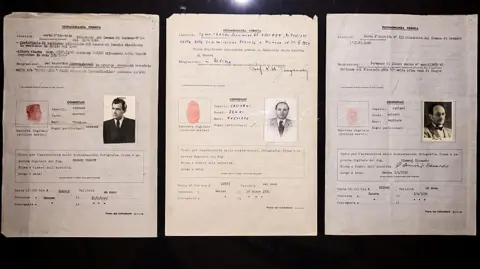
The Swiss Federal Intelligence Service has said it will finally open long-sealed files on the notorious Nazi war criminal Josef Mengele, but without specifying when. Mengele fled Europe after World War Two, but rumors have circulated for years that he spent time in Switzerland, despite an international warrant for his arrest.Historians have long requested access to these files, which the Swiss authorities previously refused. Mengele, who was a doctor in Germany's Waffen SS, oversaw the selection of prisoners at Auschwitz extermination camp, sending countless individuals, primarily Jews, to their deaths. He earned the nickname 'Angel of Death' for his role in horrific medical experiments and mass killings.After the war, Mengele evaded capture and changed his identity. He successfully acquired Red Cross travel documents in Italy to escape to South America.Swiss historian Regula Bochsler, while researching the potential for Switzerland to have served as a transit country for fleeing Nazis, found evidence suggesting Mengele was in Zurich as late as 1961. Although he was believed to have been in South America post-war, some historians think events surrounding his alleged talents for remaining undetected may expose deeper truths about Switzerland's wartime actions.The federal archives have long sealed these documents until 2071 on grounds of national security and family protection, causing suspicion among historians who doubt the legitimacy of these barriers.While the recent announcement raises hopes for greater transparency, experts remain skeptical and anticipate redaction. Mengele's fate remains a subject of speculation, with many questioning if full disclosure will obscure rather than illuminate his historical path.