In brief
The U.S. Supreme Court has rejected an appeal from Kim Davis, a former Kentucky court clerk who refused to issue marriage licenses to same-sex couples, thereby upholding its 2015 decision that legalized same-sex marriage across the country. Justice Clarence Thomas's dissenting opinion was noted, but the court's decision not to intervene sends a strong message about respecting constitutional rights. This comes in the wake of ongoing discussions about judicial interpretations of rights related to marriage and family.
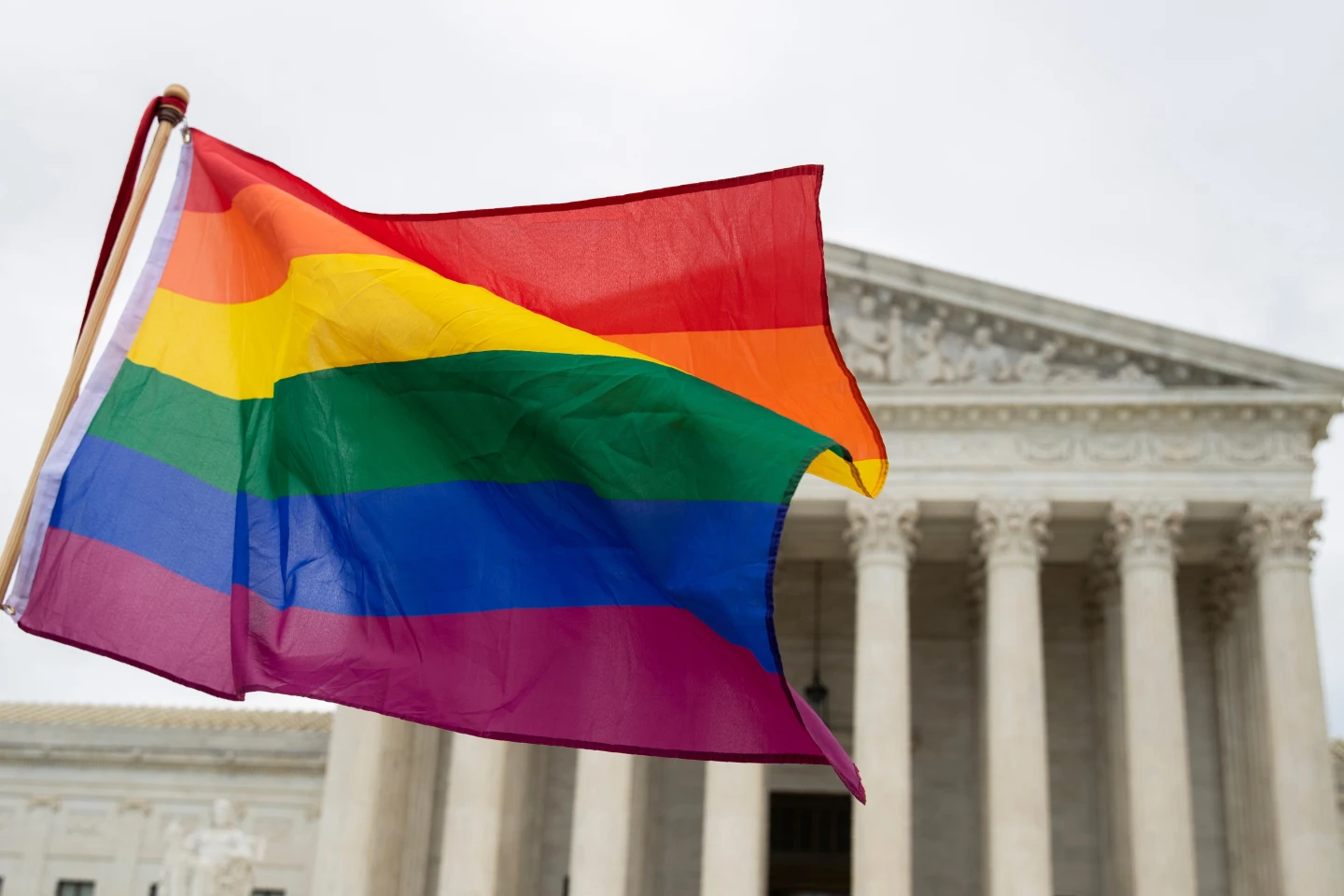
WASHINGTON (AP) — The U.S. Supreme Court on Monday rejected a call to overturn its landmark decision that legalized same-sex marriage nationwide. Without any comments, the justices dismissed an appeal from Kim Davis, a former Kentucky court clerk who gained national attention for refusing to issue marriage licenses to same-sex couples in the wake of the Court's 2015 ruling in Obergefell v. Hodges.
Davis had sought to overturn a lower-court order requiring her to pay $360,000 in damages and attorney’s fees to a couple whose marriage license she denied. Her legal representatives noted that only Justice Clarence Thomas has called for erasing the same-sex marriage ruling, highlighting his dissent in the original case.
Other justices, such as Chief Justice John Roberts and Justice Samuel Alito, have remained largely silent on the matter since their dissent in 2015. However, this ruling underscores the continuity of the Court's position on such pivotal social issues.
Justice Amy Coney Barrett, not a member at the time of the original ruling, has suggested that overturning established rights might differ in cases like same-sex marriage as compared to abortion, where reliance on the ruling follows personal and familial ties.
Human Rights Campaign President Kelley Robinson expressed approval of the Court's decision, stating, 'The Supreme Court made clear today that refusing to respect the constitutional rights of others does not come without consequences.'
Davis's case brought significant media attention when she disallowed same-sex couples from obtaining marriage licenses based on her belief. This led to her arrest for contempt of court in September 2015 after she defied court orders. Following her release, her staff issued the licenses while removing her name from the forms, and later, Kentucky's legislature passed a bill eliminating clerks' names from marriage licenses altogether. Davis subsequently lost her reelection effort in 2018.
For ongoing updates, visit the AP’s coverage site on the U.S. Supreme Court.