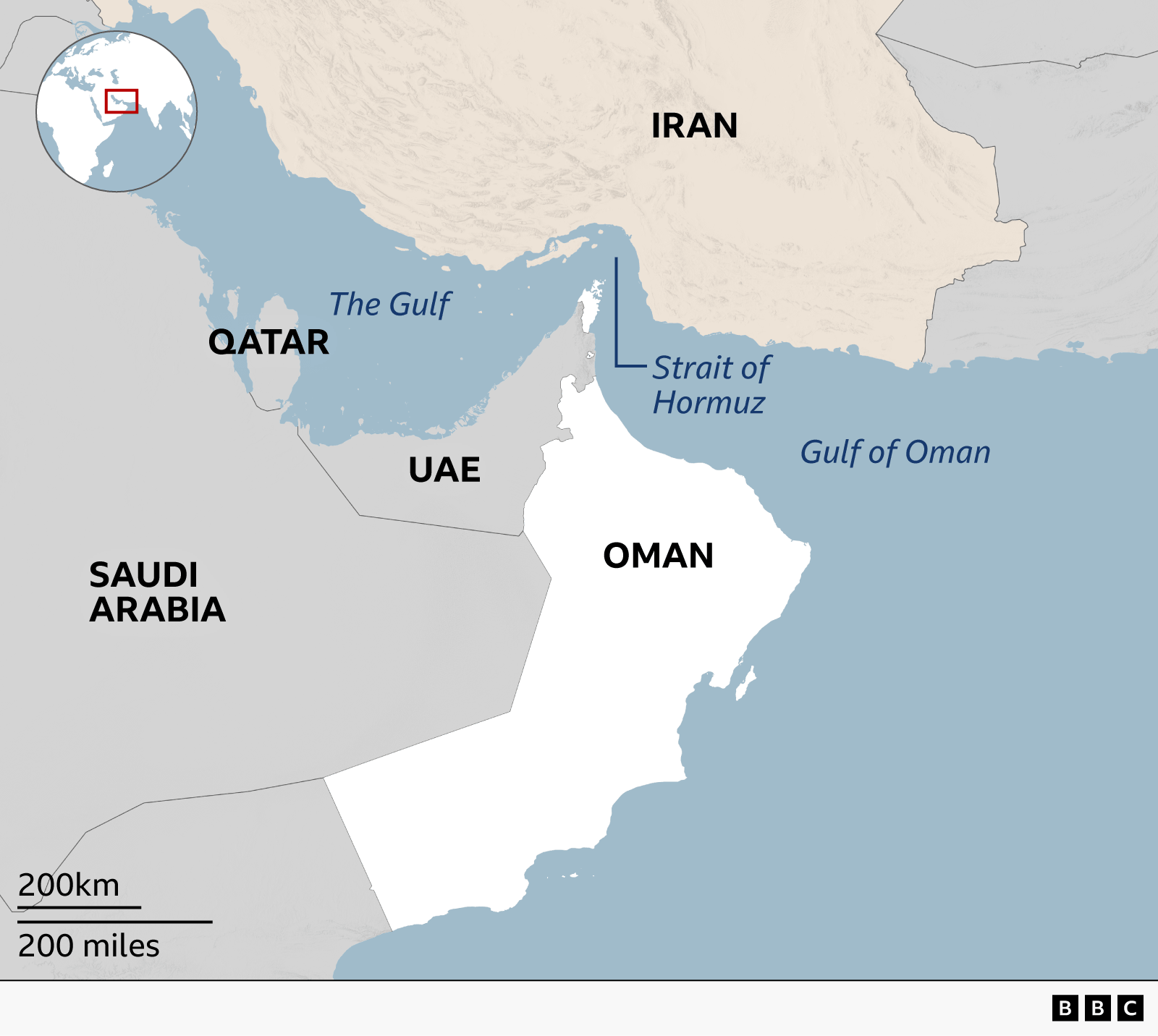
Since the US and Israel launched their offensive against Iran on 28 February, Saudi Arabia has largely stayed on the sidelines, seeking to avoid entanglement in a broader regional war.
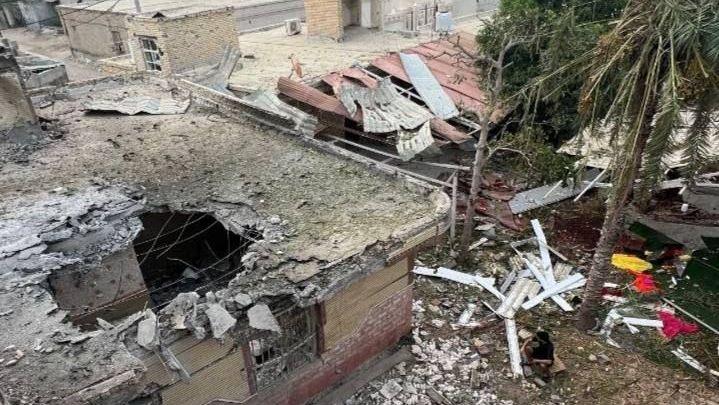
However, the kingdom’s security calculus has shifted after four successive drone and missile raids from Iranian-backed militias in Iraq and Yemen.
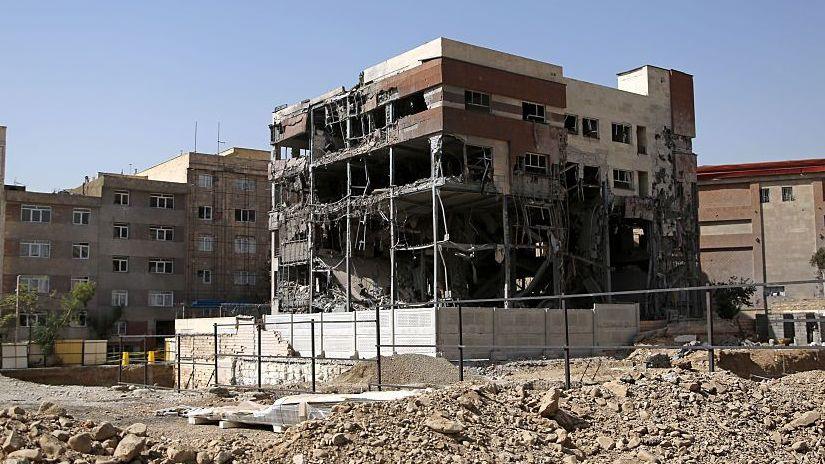
Last week, Riyadh partnered with the United States to strike targets belonging to the Popular Mobilisation Forces in Iraq, a move aimed at curbing the drones that have repeatedly targeted Saudi oil facilities.
While these joint strikes serve as a deterrent, they also expose the kingdom to retaliatory blasts that threaten its vital energy infrastructure and key export routes.
Saudi Crown Prince Mohammed bin Salman’s Vision 2030 plan calls for economic diversification, foreign investment, and the development of sensitive data centres—targets that could be jeopardised by an expanding conflict.
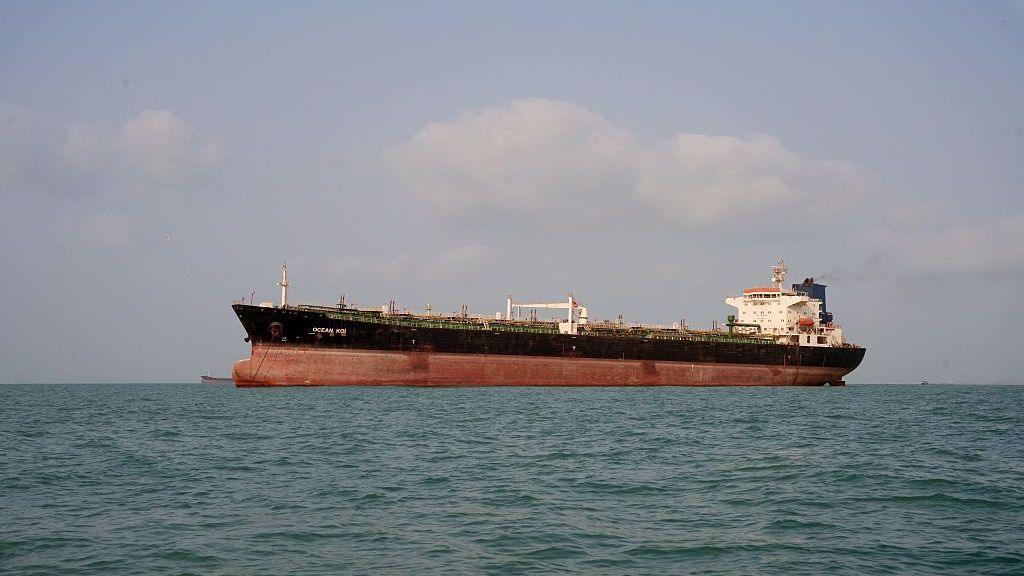
In addition to the aerial threats, Houthi fighters have begun targeting Saudi shipping in the Bab el Mandeb Strait, complicating the logistics of oil exports to Asian markets.
Riyadh’s dilemma now centres on whether to intensify its defense posture or pursue diplomatic concessions to prevent a full‑scale war that would undermine the kingdom’s long‑term modernization agenda.