In brief
Tennis's top stars cut media sessions to 15 minutes at the French Open—a deliberate nod to the tournament's current 15% prize money allocation—protesting insufficient compensation for athletes. Players demand 22% of revenue by 2030, citing their financial dependence on tournaments. While French Open director Amelie Mauresmo expressed 'sadness' but confidence in resolution, players like Taylor Fritz warned of potential boycotts if ignored. The protest marks a pivotal shift toward collective action in elite sports labor disputes.
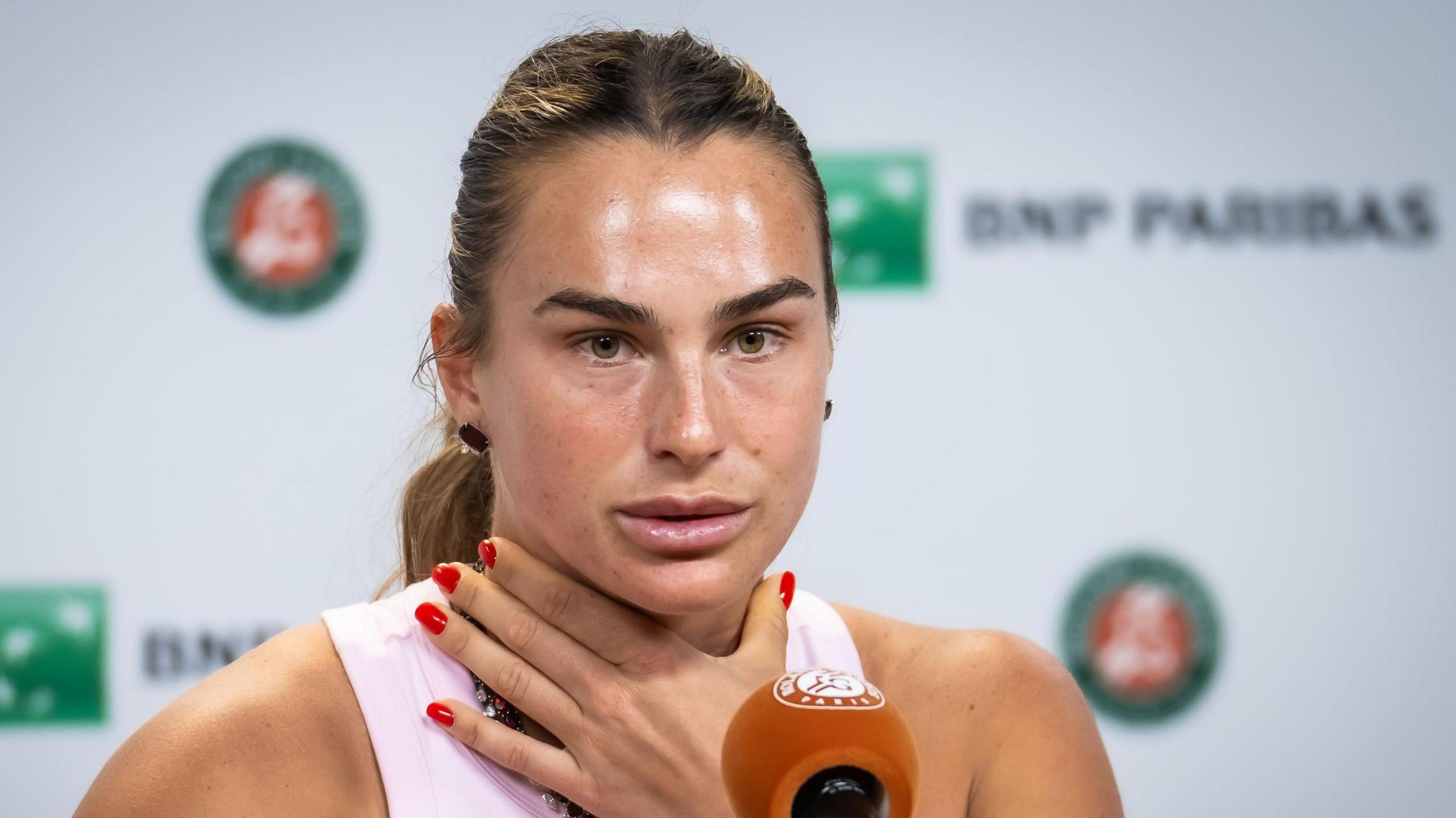
World number one Aryna Sabalenka made a bold statement at Roland Garros by slashing her French Open media conference to a mere 15 minutes—a symbolic protest against the tournament's 15% prize money allocation. The Belarusian star ended her English-language press conference early, stating: 'We just wanted to make our point and we are united—15 minutes is better than zero.' Her action was part of a coordinated 'work-to-rule' effort by top players including men's world number one Jannik Sinner and four-time French Open champion Iga Swiatek.The protest, occurring during pre-tournament media day, highlighted players' frustration with the current financial structure. Tennis elites argue Grand Slams generate massive revenue but allocate insufficient shares to competitors. Players are pushing for a 22% prize money target by 2030, significantly higher than the French Open's 15%—despite this year's 9.5% revenue increase. They also demand enhanced welfare provisions, including better pensions, healthcare, and maternity support, as well as greater consultation on tournament scheduling.While French Open director Amelie Mauresmo called the protest 'very sad' but expressed 'deep confidence' in resolution, Novak Djokovic—who has consistently advocated for players—supported the principle without participating. 'I haven't been part of the process, but I've always been on players' side,' he stated. Taylor Fritz tempered threats of boycott, saying: 'I don't want to throw around the 'b-word,' but if we're ignored... that's a conversation to have.'This unified stand marks a turning point in a years-long dispute. With the French Open running through June 7, the protest has reignited global conversations about athlete compensation. As the tournament begins, players signal they will no longer accept being 'ignored'—setting the stage for potential structural changes in tennis' financial landscape.}