In brief
In the wake of JFK's assassination, some speculate whether The Beatles provided the joyful escape America craved, propelling them to superstardom.
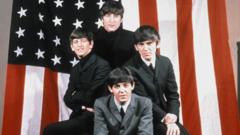
When The Beatles stepped off the plane at the newly-named John F. Kennedy International Airport on February 7, 1964, they arrived in a nation still grappling with the shock of the assassination of President John F. Kennedy, who had been murdered just 70 days earlier. Paul McCartney recently suggested in the documentary "Beatles '64" that America, mourning the loss of its youthful leader, may have been ready for a lift. His idea has resonated with cultural historians and Beatles experts who ponder if the band's entry was hampered by the nation's somber mood.Kennedy, a charismatic figure often dubbed the first 'TV president', captivated American youth with his vigor and charm, qualities that mirrored those of the young Beatles. Dr. Patrick Andelic, an American history professor, emphasized this connection, noting Kennedy’s thriving image coinciding with the Beatles’ ascent—both shared a modernity in their appeal. The shock of losing a president at such a young age left Americans yearning for positivity, which The Beatles embodied with their exuberance.Before their arrival, the Beatles had already begun to make waves in the UK, scoring hits and achieving national fame, particularly after their iconic performance at the Royal Variety Performance where John Lennon famously quipped about the audience. However, cracking the tough American market would prove to be a different challenge. Historically, British acts struggled to find success in the U.S., and record companies like Capitol had been wary of distributing Beatles music due to past disappointments.But, aided by their manager Brian Epstein, plans were set into motion that aligned perfectly with their arrival following Kennedy's death. Their single "I Want To Hold Your Hand" was released shortly before they took to American airwaves. The Beatles' first television appearance on the Ed Sullivan Show on February 9, 1964, is often pinpointed as the turning point in their American acceptance, with over 70 million viewers tuning in. As Doctor Holly Tessler points out, calling their success merely a product of JFK’s assassination simplifies a very complex cultural moment. The Beatles had already established the groundwork for their iconic status through solid business acumen and the drive of their management. Kennedy's death and the following public grief may have made audiences more receptive to the joy The Beatles offered, but the band’s unique talent and high-profile appearances were undoubtedly contributing factors to their explosive popularity.In hindsight, while the timing of The Beatles' arrival during America's mourning period created a potentially ripe environment for their welcome, their eventual landmark success on American television and charts cannot be solely attributed to the legacy left by JFK. The cultural phenomenon known as "Beatlemania" was ignited not just by national sorrow, but by the band’s pioneering artistic influence and an unprecedented embrace of pop music in America, changing the landscape of the music industry forever.