In brief
As of January 1, 2026, Betty Boop and Blondie will be added to a list of cultural icons entering the public domain, joining Mickey Mouse and Winnie the Pooh. This historic milestone represents a significant moment for creativity and reimagining these classic characters. Betty Boop, originally a canine character, has evolved significantly over the years, while Blondie, known for her comic strip adventures, continues to resonate with audiences today. With copyright expiration, artists can freely utilize and reinvent these iconic figures, likely leading to a resurgence of projects and adaptations in various media.
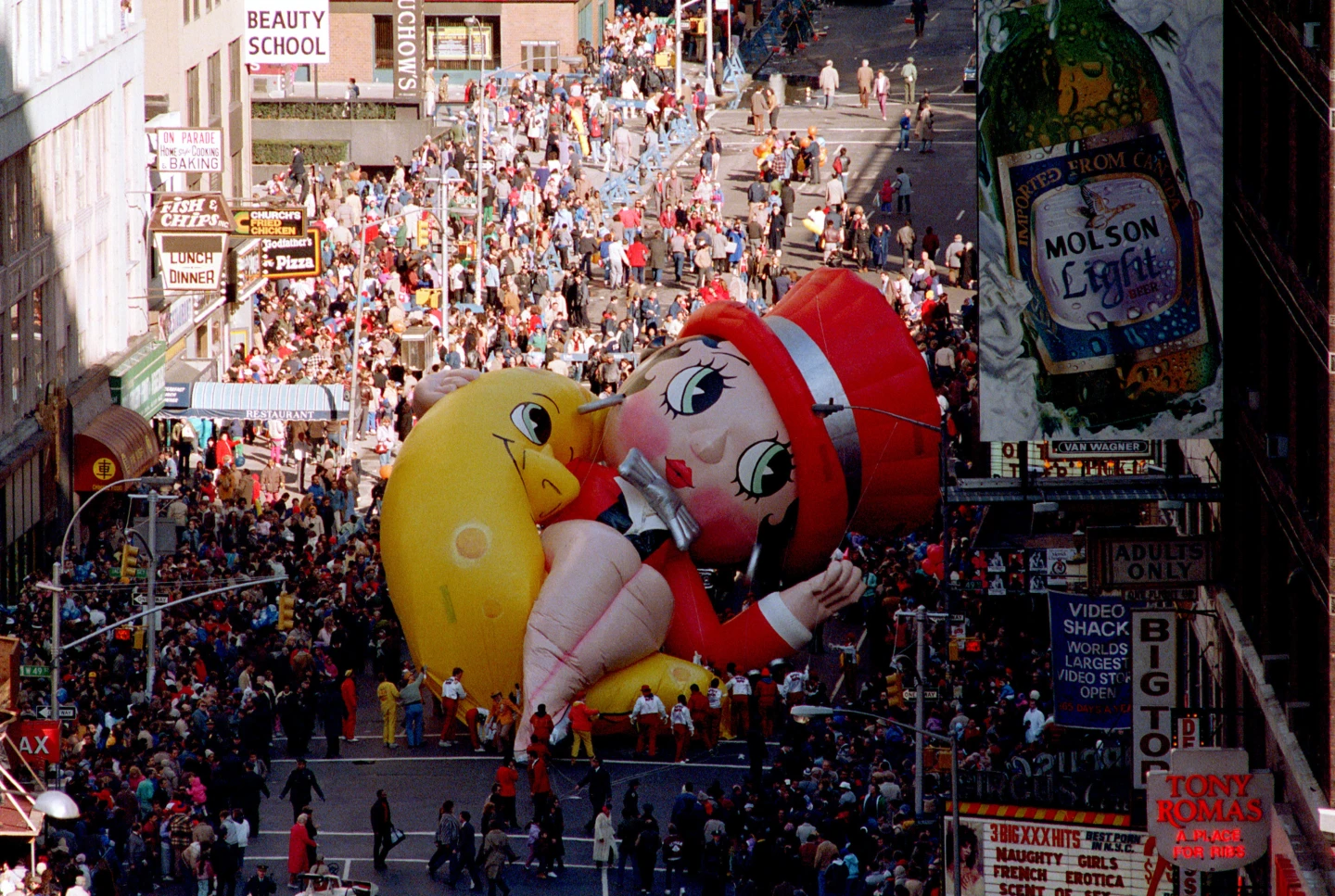
LOS ANGELES (AP) — In a significant cultural milestone, classic cartoon characters Betty Boop and Blondie are slated to join the ranks of celebrated figures entering the public domain on January 1, 2026. Alongside these characters, creators will be free to utilize iconic personalities such as Mickey Mouse and Winnie the Pooh, who have already made the leap into the public domain.This transition allows artists to recreate, reinvent, and repurpose these beloved characters without the need for permissions or licensing fees. “It’s a big year,” stated Jennifer Jenkins, law professor and director at Duke’s Center for the Study of the Public Domain, emphasizing the importance of cultural heritage being accessible for new creative interpretations.Fan favorite Betty Boop, initially conceived as a dog in the 1930 short “Dizzy Dishes,” has undergone notable transformations over the decades. Originally a supporting character, she morphed into an iconic flapper figure—a look that resonates well beyond her original context. Blondie, the protagonist of Chic Young’s enduring comic strip, has also made an indelible mark on popular culture since her debut in 1930.The significance of these characters, particularly in their contribution to the portrayal of women in media, remains profound. Artists are now encouraged to explore creative avenues, with ample opportunities for fresh adaptations in film, animation, and merchandise, despite fees associated with trademarks.As 2026 approaches, the anticipation for the innovative works these characters may inspire is palpable, promising to rekindle interest in the timeless tales and adventures that originally captivated audiences.