In brief
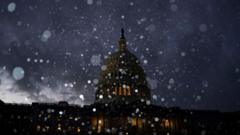
A historic winter storm is heading towards the eastern United States, with forecasts indicating it could bring the most substantial snowfall and frigid temperatures experienced in over a decade. The National Weather Service (NWS) has warned that tens of millions of Americans should prepare for the severe conditions as the storm progresses from the Midwest towards the East Coast in the coming days. Areas not typically accustomed to harsh winter weather, such as Mississippi and Florida, are also facing risks of hazardous conditions.
The extreme weather is attributed to the polar vortex, a cold air system circulating around the Arctic, which is pushing a wave of frigid air southward. Experts from the National Oceanic and Atmospheric Administration (NOAA) indicate that many regions will encounter what could amount to the heaviest snowfall in years. According to AccuWeather forecaster Dan DePodwin, "This could lead to the coldest January for the US since 2011," predicting temperatures significantly below historical averages could persist for an entire week.On the eastern seaboard, cities including Washington D.C., Baltimore, and Philadelphia are preparing for a wintry mix of snow and ice from Sunday into Monday, potentially accumulating 5-12 inches in parts of Virginia. Meanwhile, the central US braces for substantial disruptions, including dangerous driving conditions and widespread closures as snow levels could reach at least 8 inches in areas such as Kansas and Indiana.As blizzard conditions develop in parts of the Midwest, the NWS warns of treacherous travel conditions, where motorists could find themselves stranded due to whiteout conditions. Sleet and freezing rain are also expected to affect regions in Missouri, Illinois, and parts of Kentucky and West Virginia.In addition, the southern US, encompassing states such as Arkansas, Louisiana, and Mississippi, may experience severe thunderstorms on Sunday. Private meteorologist Ryan Maue characterized the impending storm as a "mess" and a potential disaster, noting it is an event not witnessed in a considerable amount of time. Airlines including American, Delta, and Southwest are responding to the expected impact on travel by waiving change fees for affected passengers.