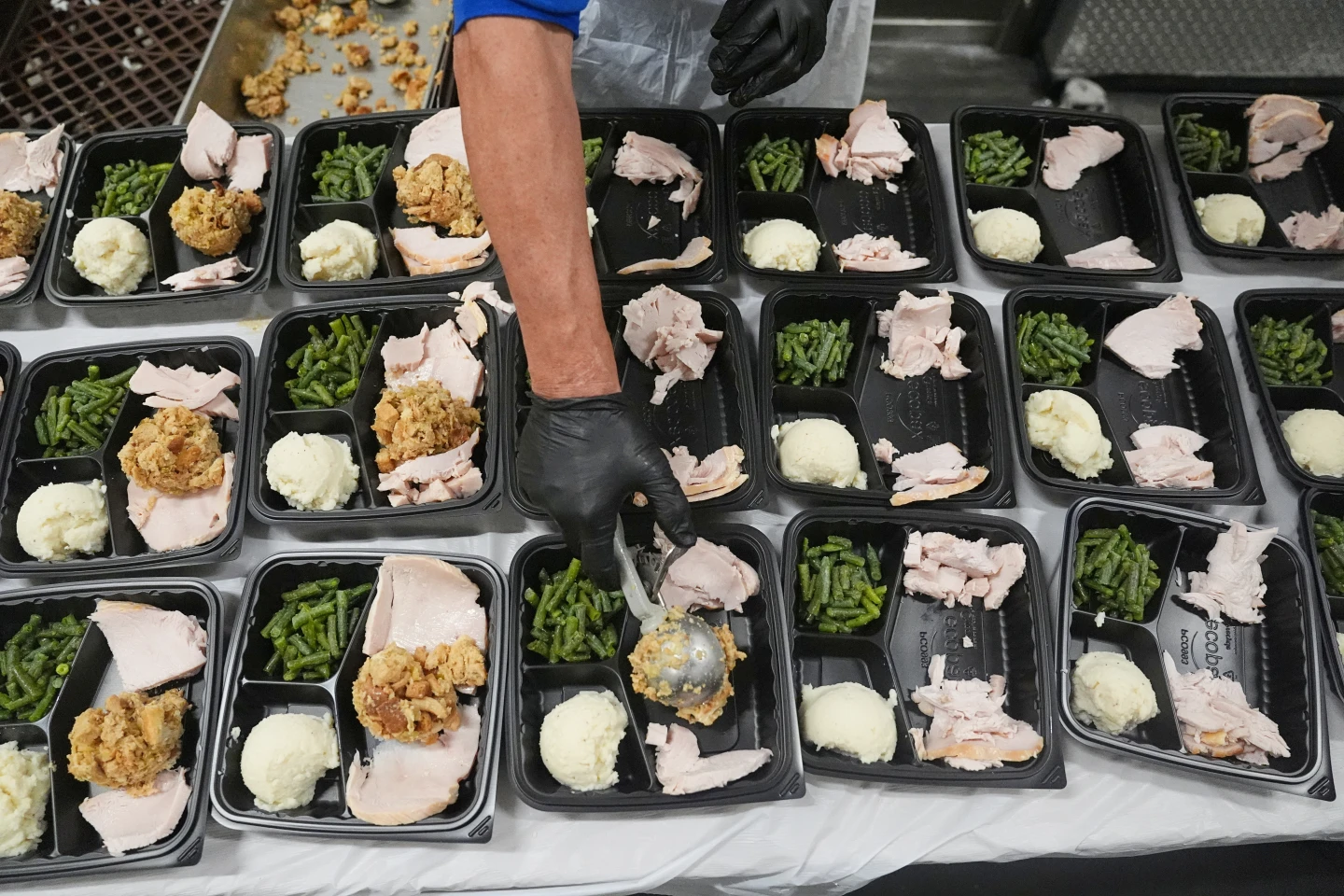
The Canadian province of Quebec plans to impose restrictions on public prayer and limit the exclusive offering of religion-based menus, like kosher and halal meals, in public institutions as part of its latest effort to strengthen state secularism.
The secularism 2.0 changes are part of a new bill introduced by the governing Coalition Avenir Quebec on Thursday, which expands a 2019 religious symbols law that has fuelled fierce debate throughout the country.
The original law prevents judges, police officers, teachers, and public servants from wearing symbols such as the kippah, turban, or hijab while at work.
Canada's Supreme Court will hear a legal challenge of that law early next year.
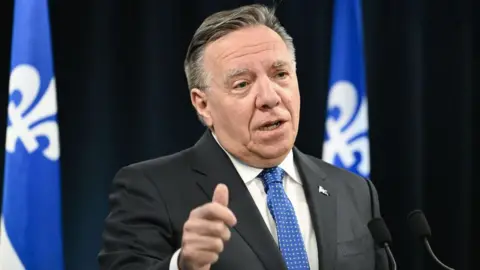
Jean-François Roberge, the minister responsible for secularism, stated that the proposed bill aimed to respect both individual and collective rights. The measures in Bill 9 include:
- Extending the ban on wearing religious symbols to staff in subsidized daycares.
- Bar collective religious practices like prayer in public spaces without prior authorization.
- Preventing students and staff from wearing face coverings in educational institutions.
Roberge cited reactions to recent protests where groups prayed at pro-Palestinian demonstrations as a justification for limiting public prayer, emphasizing the need for order in public spaces.
Opposition parties and organizations like the National Council of Canadian Muslims have criticized the legislation, arguing it fosters division and targets specific communities.
Since the introduction of Bill 21 six years ago, the theme of secularism remains a critical issue within Quebec's public discourse, especially as the province approaches its next provincial election.
}