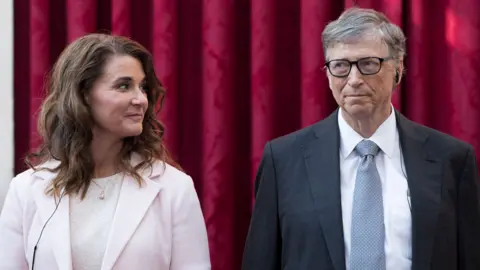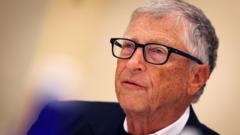
Bill Gates, the co-founder of Microsoft, has declared his intention to give away a staggering 99% of his wealth by 2045. This announcement highlights his determination to amplify charitable efforts through his foundation, which he plans to conclude after two decades of active service. In a reflective blog post, Gates shared his conviction that upon his passing, he does not wish to be remembered simply as a wealthy individual.
At age 69, Gates revealed that his foundation has already contributed $100 billion (£75 billion) toward health and development programs. He anticipates an additional outlay of around $200 billion over the next 20 years, contingent on economic conditions. This generous commitment follows the philosophy of Andrew Carnegie expressed in his 1889 essay "The Gospel of Wealth," which asserts that affluent individuals have an obligation to return their fortunes to society. Bill Gates echoed Carnegie's sentiment, emphasizing that "the man who dies thus rich dies disgraced."
The latest pledge marks a notable acceleration in Gates's philanthropic approach, differing from initial plans that anticipated the foundation’s continued operation for years beyond his and his ex-wife Melinda's lifetimes. Even after divesting 99% of his fortune, Gates could remain a billionaire, as his current net worth is approximately $108 billion.
The blog featured a visual timeline illustrating his wealth trajectory, illustrating an ambitious goal to reduce his net worth to nearly zero by 2045. Gates indicated that the foundation's endowment would support this extensive financial commitment.
Recognizing the influence of fellow philanthropist Warren Buffett, Gates addressed critics who argue that his foundation’s status affords him tax advantages and excessive influence in global health matters. He reiterated three main aims: to eliminate preventable diseases affecting mothers and children, tackle infectious diseases like malaria and measles, and alleviate poverty for millions worldwide.
In a more critical tone, Gates condemned the reductions in foreign aid from wealthy nations such as the US, UK, and France, expressing concern for vulnerable populations. He highlighted the detrimental consequences of funding cuts, specifically mentioning deaths of children due to reduced support for foreign aid initiatives.
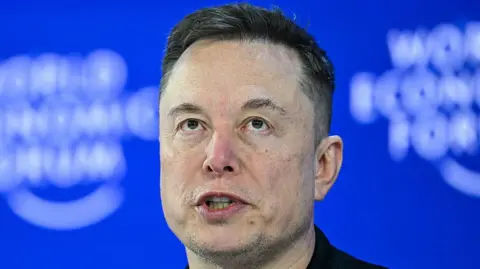
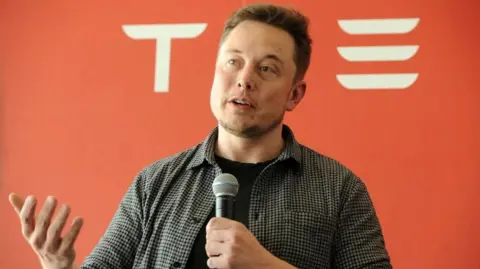
In an interview with the Financial Times, Gates chastised Elon Musk, founder of Tesla, for his role in slashing US aid budgets. He mentioned the repercussions of these actions on health initiatives in countries like Mozambique, where cutbacks have impacted vulnerable communities. Gates even offered a hypothetical scenario in which Musk could meet affected children, pointing out the human cost of budget reductions.
The Gates Foundation continues to support initiatives to uplift impoverished populations through health and development advancements. As Gates progresses toward his philanthropic goals, he hopes to inspire similar generosity among other wealthy individuals.