In brief
In the wake of alarming rates of bycatch among seabirds, a concerted effort led by BirdLife South Africa aims to protect the vulnerable albatross population. Fishing practices, particularly long-lining, pose great threats as these majestic birds often get ensnared in hooks. The Albatross Task Force, in collaboration with local disabled workers, seeks to implement bird-scaring lines in fishing operations to reduce mortality and ensure sustainable fishing practices.
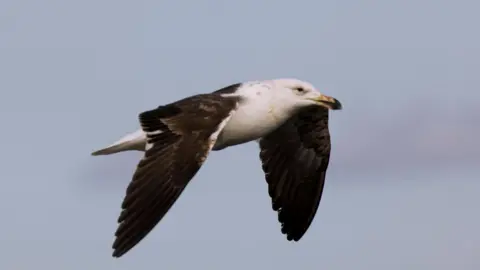
On a small boat in the Atlantic, about 27 nautical miles from South Africa's Cape Point, bird watchers are thrilled to spot seabirds like the black-browed albatross. The non-profit organization Cape Town Pelagics takes tourists to observe these endangered species that are becoming scarce off the mainland.
As the boat approaches fishing trawlers, hundreds of seabirds flock, hoping for scraps of discarded fish. However, this behavior puts them at significant risk, as they may inadvertently get caught on long fishing lines.
Tim Appleton, a conservationist, explains, Some of these long lines can stretch up to 100 kilometers, equipped with 4,000 baited hooks. The albatrosses mistakingly target the bait, leading to deadly entanglements. This accidental capture, termed bycatch, is a growing concern for seabird populations.
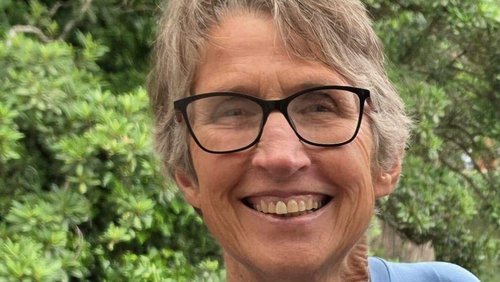
Andrea Angel from BirdLife South Africa leads initiatives to mitigate these threats. With only 15 out of 22 albatross species globally threatened by fishing, her team emphasizes the dire need for effective conservation measures.
The albatross's unique mating rituals also contribute to their fragility as a species. The birds mate for life and raise one egg every two years, which significantly impacts their ability to recover from population losses caused by fishing-related incidents.
One solution implemented is the use of bird-scaring lines, which deter birds from fishing nets. These colorful streamers flutter overhead, effectively keeping the seabirds away from danger. BirdLife South Africa collaborates with disabled workers from the Ocean View Association, training them to create these devices, thus providing both social and economic benefits.
Angel notes that using bird-scaring lines not only protects the seabirds but also provides economic benefits to fisheries, as they focus on catching more valuable fish instead of wasting time and resources on bycatch. The Albatross Task Force has seen a remarkable 90% reduction in seabird deaths since its inception, aiming for similar successes globally to sustain these marvelous creatures for future generations.