In brief
Following the devastating floods that claimed hundreds of lives in Nepal, Prime Minister Balendra Shah has called for strict penalties against those who post hostile comments about survivors. The government is investigating the origins of online abuse and has set up a 10‑member committee to trace offenders. Under Nepal’s Electronic Transactions Act, harassers face up to five years in prison and a fine of 100,000 rupees. Digital‑rights activists warn that some abuse stems from “rage‑baiting” and government‑supporting extremism, polarising the public discourse.
Prime Minister Balendra Shah vows crack‑down on online abuse of flood survivors
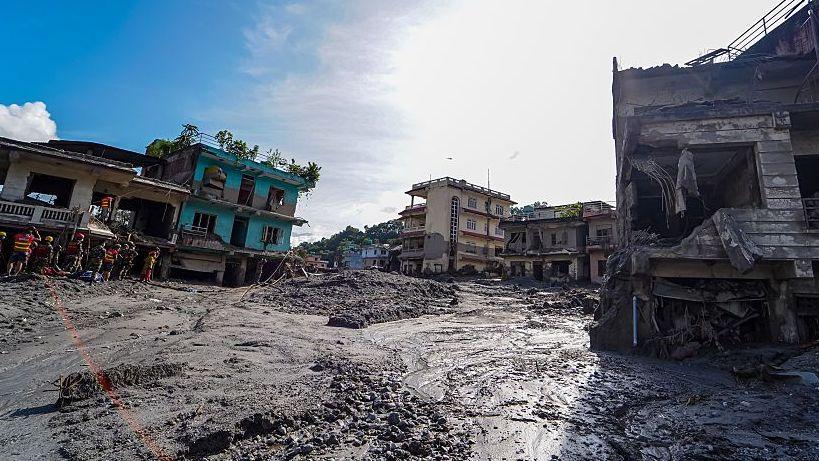
After the low‑lying settlements along the Bhotekoshi River were swept away by monsoon floods last month, thousands of people have been searching for missing relatives and asking authorities for better rescue efforts. Many of those pleas have been met with angry, often cruel comments on social media, prompting the government to act.
“People who make unnecessary remarks, belittle those in pain or seek to cause them further suffering at this sensitive time are criminals,” Shah wrote in a Facebook post. He noted that police will identify the accounts and phone numbers linked to such posts.
One woman, whose brother has been missing since the floods began, told the BBC that rescue operations were “slow.” After posting her criticism, she received “many nasty comments,” she said, adding: “We are already suffering so much and this has only added to our pain.”
Another victim’s viral video, where she asked authorities to show her her husband’s body if they cannot find him, attracted threats to jump into the river and other hateful replies. A few commenters defended the survivors, writing, “The victim should be consoled at this time, not cursed.”
Police have convened a 10‑member committee to examine the online harassment, and a spokesperson confirmed that the committee is already tracing the abusive accounts. Under the Electronic Transactions Act, offenders can face up to five years in jail and a fine of up to 100,000 rupees ($662; £490).
Dovan Rai, executive director of Body & Data, notes that some harassment comes from “rage‑baiting” users or staunch government supporters who create outrage‑provoking content. “There is also extremism that is very sympathetic to the government and condemns those who question it,” he said, warning that this fuels polarization on social media.