
Pope Leo Visits the Canary Islands to Highlight Migrant Journeys
After a treacherous seven‑day crossing from the Gambia, 19‑year‑old Bakary Jaiju now stands in Tenerife, the southernmost tip of Europe, where Pope Leo XIV will arrive for a seven‑day tour of Spain. The Pope’s visit to Gran Canary and Tenerife aims to give voice to the perilous journeys taken by migrants across the Atlantic.
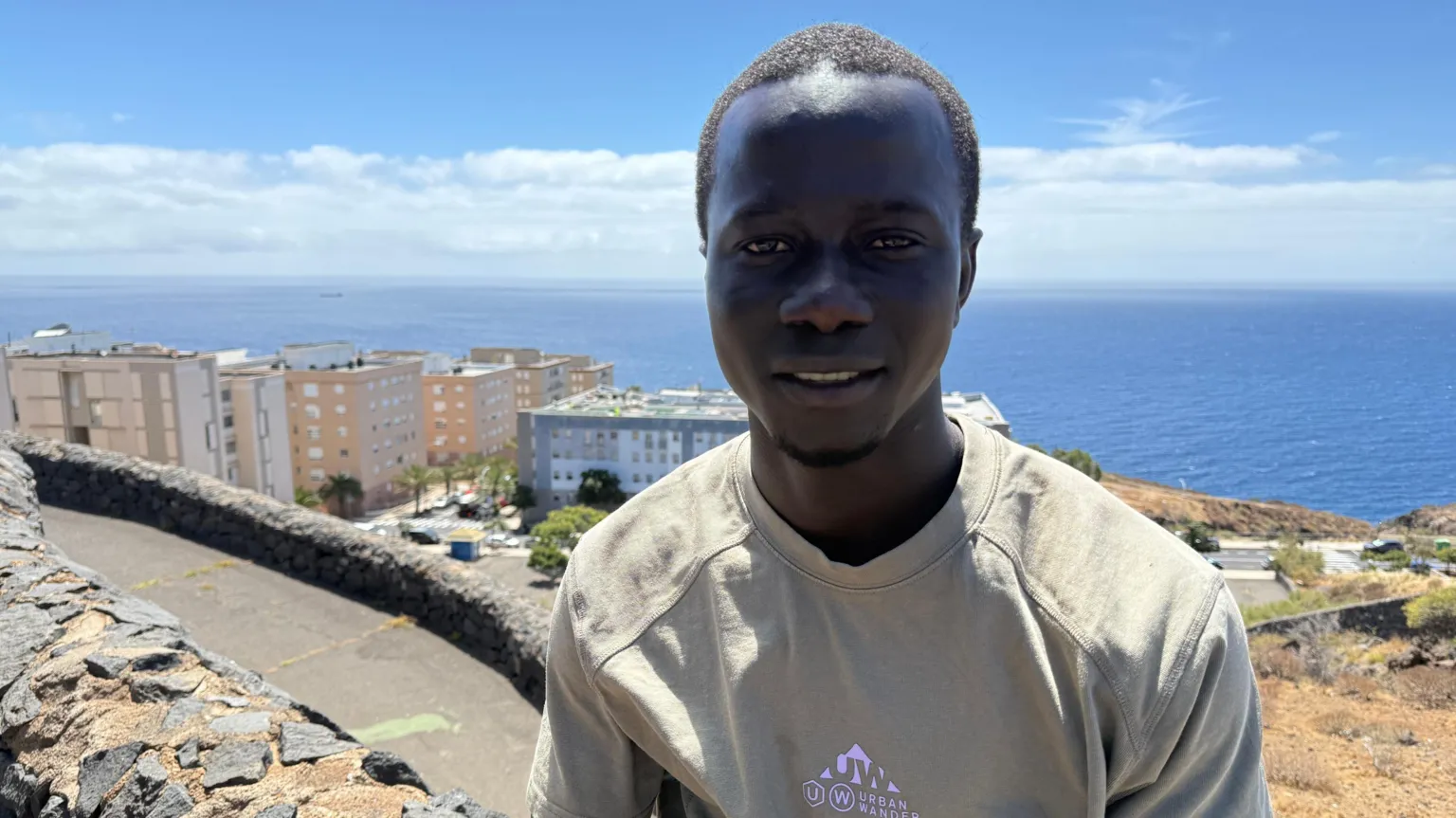
Bakary recalls the seven days at sea, where food and water ran low. "I decided to go, whether I survive or die, because I want my family to be in a good condition," he says, echoing the plight of the many who risk similar journeys.
Pope Leo will use the occasion to emphasize the need for alternative, safe and legal pathways to Europe and to appeal for a humane, respectful welcome for those who have paid smugglers and boarded basic boats.
In Gran Canaria, the Pope will drop flowers into the waves in memory of missing migrants, including entire boats that vanished without trace. His focus counters the rhetoric of a “migration crisis” or “ideological invasion” and stresses the human cost of dangerous crossings.
UNHCR data shows that arrivals by sea to Spain have fallen, partly due to increased naval patrols off West Africa funded by an EU initiative. Nevertheless, many continue to attempt the voyage, often at deadly risk.
Alongside the Pope’s outreach, Padre Pepe, a local Spanish priest, runs an organisation helping young migrants navigate legal residency. He notes the growing number of under‑18 migrants on the islands who, once they reach adulthood, face uncertainty and limited support.
The Spanish government, led by Pedro Sánchez, currently allows many undocumented migrants to regularise their status. Local businesses, such as the Domingo Alonso Group, are intervening to provide jobs for post‑adult migrants, addressing labour shortages and easing integration.
While the Popular Party and far‑right Vox criticize the regularisation as an “invasion” that could strain services, the Socialist government frames it as a humanitarian and pragmatic solution to Spain’s ageing workforce.
As Pope Leo seeks to shift the debate toward compassion, a new EU pact tightens border controls and streamlines detainment and deportation. The policy is seen by human‑rights groups as a potential threat to asylum seekers’ voices.
Administrators on the Canary Islands express frustration at labour shortages in hospitality, transportation, and construction, demanding a policy that allows reliable entry routes for migrants while ensuring public safety.
Pope Leo’s visits, memorials, and call for tangible legal pathways underscore a pressing need to balance security with empathy. With the tide of migrants still arriving, the Pope’s message offers a hopeful avenue for meaningful change in Europe’s immigration policies.