In brief
A joint operation by Spanish and Algerian police led by Europol disrupted one of the largest smuggling networks in the western Mediterranean. 78 people were arrested as the crackdown uncovered synthetic drugs, weapons and hundreds of migrants being trafficked via high‑speed ghost boats. The network also performed money laundering, violent robberies and other criminal activities across several countries. Seized assets included 18 speedboats, guns, €25,000 cash, and 15,000 MDMA pills, with profits from migrant smuggling alone estimated at over €24m.
Spanish police arrest 78 people in bust of one of largest smuggling networks
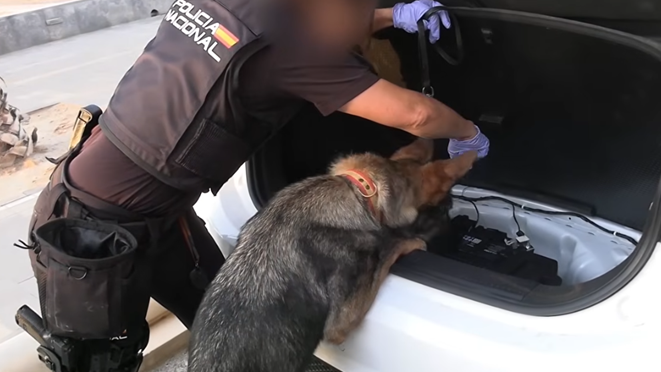
A cross‑border operation led by Spanish authorities and Europol has dismantled a major smuggling network that traffics drugs and people across the western Mediterranean. 78 suspects were arrested in Spain and Algeria as part of seizures that included synthetic drugs, weapons and hundreds of migrants transported on high‑speed vessels.
The network moved synthetic drugs from Spain and Portugal to Algeria, then used the return journey to smuggle migrants and weapons to the Spanish mainland and the island of Ibiza on ghost speedboats that avoid registration and detection. Items seized include 18 high‑speed vessels valued at €5m, firearms, more than €25,000 in cash and 15,000 MDMA pills.
Police searched 17 locations across Spain, including Alicante, Almería, Cartagena and Murcia, taking part in a coordinated sting operation that highlighted the network's evolution from pure drug trafficking into a multi‑flow criminal enterprise. The smuggling focused on synthetic drugs such as MDMA, firearms and explosives. On routine routes from Algeria to Spain, migrants were smuggled for up to €12,000 per person and could be carried on a single boat in as many as 50 individuals, generating an estimated €24m solely from migrant smuggling.
The network provided services to other organised crime groups, facilitating the movement of illicit goods and people across the western Mediterranean. Trafficking flows involved synthetic drugs from France or Spain to Algeria, cannabis resin, weapons and migrants from Algeria to Spain.
Ghost speedboats used by the network circumvent maritime borders, operating in international waters near the Spanish coastline before handing over cargo or migrants to land‑based transport. Migrants were often carried in overcrowded boats without lighting or life jackets, and security footage shows them forced into inhuman conditions, including sexual assault and physical abuse. Many suspects were of Algerian origin and had links to criminal groups in France, Belgium, Portugal, Italy and Poland.
Alongside vehicles and weapons, investigators seized satellite phones, GPS devices, encrypted communication tools and satellite dishes that helped coordinate the network.
The announcement arrives a week after a mass exodus of roughly 78,000 migrants into the Spanish North African territory of Ceuta, an incident blamed on rumors of an open border. Most migrants returned to Morocco but between 3,000 and 5,000 remain in the exclave, according to its leader Juan Jesús Vivas.