In brief
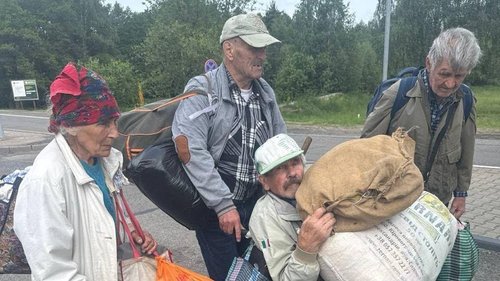
The ongoing war and the recent announcements regarding potential talks for peace have led to significant discourse among Iranians. Many are torn between the desire for an end to the violence and the apprehension that negotiations could entrench the current government. Voices from youth in Tehran reveal their fears over negotiations that might favor the regime, while others stress the need for genuine change. Amidst a backdrop of government crackdowns and societal divides, the Iranian populace remains hopeful yet cautious about the future.
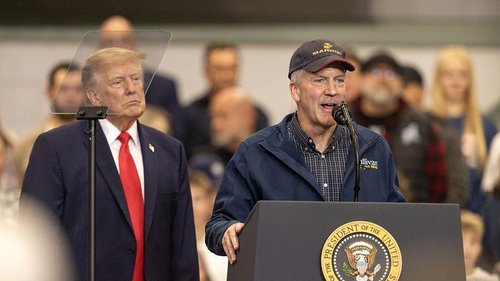
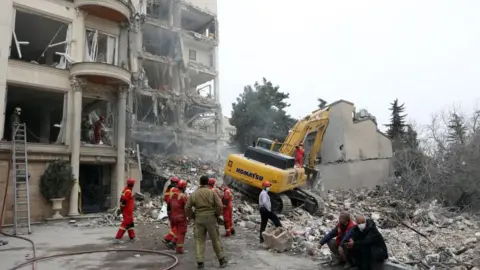
The war has brought destruction, but some Iranians say they do not want it to end with the current government in place. Donald Trump had issued an ultimatum to Iran to reopen the Strait of Hormuz - the narrow passage whose closure has caused the price of oil to spike across the world - or face the wrath of the US in the shape of attacks on its power plants.
Hours before it was due to expire on Monday, the US president said the threatened attacks were being paused for five days as Tehran and Washington were making 'major' progress towards a deal to bring more than three weeks of US and Israeli air raids and Iranian retaliatory attacks to an end.
Several Iranian top officials, such as Iran's parliament Speaker Mohammad Bagher Ghalibaf, said there were no talks - it was all 'fake news'. A day later, however, Trump said the US was talking to 'the right people' in Iran. What the BBC is hearing from Iran is a glimpse into the country that remains largely cut off from the world as a result of a government-imposed internet outage.
Whilst ordinary Iranians go to great lengths to find ways to link up with the outside world, such as paying high prices for satellite internet Starlink connections - itself illegal in the country - officials and some government supporters do have access to the internet.
This group echoes the views of officials regarding talks with the US - and they are pretty unified. But there are also those who want to see the end of the Islamic government of Iran. They are divided. Whilst most would welcome an end to the war, many are wary of talks that could result in an agreement to keep the current leadership in place.
Kiana, a woman in her 20s, lives in the capital, Tehran. From day one, she has repeatedly said she wants the war to end, but now that the possibility of a ceasefire which would keep the leaders of the Islamic Republic in power is being mooted, she feels confused. 'I don't know how to feel. If the war ends, the sounds of explosions will stop and the situation will become OK, but at the same time it's going to be us and a regime that's very weak,' she says.
Armin, another Tehran resident in his 20s, emphasizes the desire for immediate peace but remains staunchly against negotiations with the regime. 'It makes Iran credible on a global scale and will allow them to oppress people,' he explained.
Conversely, Parsa, a man in his 30s from Karaj, expresses deep concerns over the current leadership potentially remaining in power if negotiations proceed. 'They're in a position of weakness. If they stay, they will massacre people inside,' he says.
Despite the escalating war, which began on February 28, the Islamic authorities have warned citizens against protests. Iranian police have threatened those who defy the warnings, indicating the regime's grip is tight amidst rising tensions and fears of internal upheaval.
Within this divided landscape, Iranians continue to find ways to voice their desires for both safety and transformation, wrestling with the consequences of potential negotiations and their impact on the future of their country.