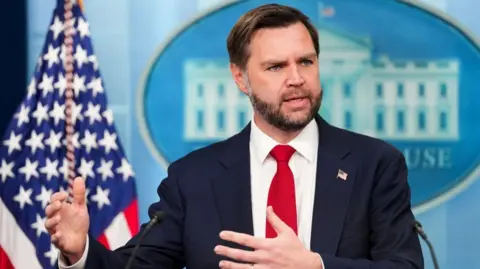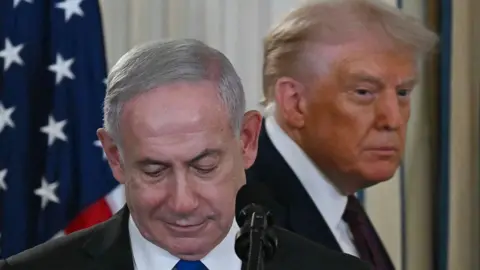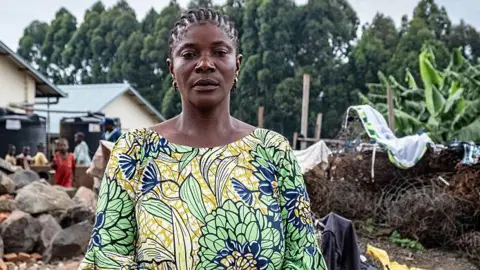
US Secretary of State Marco Rubio has labeled Rwanda's involvement in Eastern Democratic Republic of Congo as a clear violation of the recent peace deal brokered by former President Donald Trump. This agreement, celebrated by Trump and leaders from both DR Congo and Rwanda, has been rendered fragile following the M23 rebel group's capture of Uvira.
Despite accusations from the USA and European powers that Rwanda supports M23, officials from Rwanda deny such claims, insisting they are not responsible for the escalating conflict. The M23's offensive initiated shortly before the peace deal's official signing across the Atlantic, an act seen as a direct challenge to U.S. diplomatic efforts.
The seizure of Uvira raises significant concerns over the stability of the region given its strategic importance; it has been used as a base for operations against rebel forces and now serves as a vital supply route for Burundian forces stationed in South Kivu.
Academics and analysts specializing in Central African politics highlight that the timing and boldness of the M23's offensive represent an attempt to gain leverage in ongoing negotiations, undermining trust and complicating the already complex landscape of regional diplomacy.
The implications for the future of peace in the Great Lakes region remain grim following this latest escalation; complicating matters further is Burundi's strained relationship with both DR Congo and Rwanda.