
In brief
After months of despair, Palestinian amputees in Gaza are finding renewed hope as they receive new prosthetic limbs crafted using advanced British technology and fitted by Jordanian doctors.
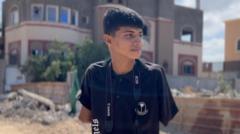
In the heart of Rafah, southern Gaza, 15-year-old Rizeq Tafish steps cautiously, rediscovering the joy of movement after a debilitating four-month ordeal post-amputation. Rizeq lost his leg due to an Israeli tank strike while leaving Friday prayers. He describes his emotional journey, stating, “Before, I only felt sadness and despair. Now I experience happiness and freedom.”Rizeq's story reflects the broader humanitarian crisis in Gaza, where the World Health Organization estimates that over 94,000 individuals have suffered injuries due to ongoing violence, with more than 24,000 experiencing life-altering damage such as severe burns, spinal trauma, and limb loss. Tragically, access to medical care has dwindled, exacerbated by the limited operational hospitals and rehabilitation services.In this dire scenario, a Jordanian initiative involving the use of cutting-edge prosthetics from British firms Koalaa and Amparo offers a glimmer of hope. This new method allows for rapid production of prosthetic legs, often ready within one to two hours, minimizing the need for extensive fitting processes. Lt. Abdullah Hamada, a Jordanian army doctor, shares how this program has already facilitated dozens of amputees, providing efficient fitting with a price tag of approximately $1,400 per limb, funded by governmental and charitable support.Among the beneficiaries are young sisters Hanan, three, and Misk, 18 months, who lost their mother and legs in an airstrike in September. Their aunt conveys the painful reality of their situation, with Misk struggling to walk and Hanan frequently asking about their mother and lost limbs.The plight of 15-year-old Diya al-Adini, who now struggles to engage in photography due to the loss of his arms, underscores the personal impact of the conflict. He yearns to regain autonomy through prosthetic limbs enabling him to pursue his passion once more. Rizeq's recovery symbolizes a new chapter. He receives crutches to assist as he adapts to his prosthetic leg, expressing a desire to regain his sense of normalcy, employment, and happiness: “Just getting my leg back is giving me back my smile that I want to share with everyone.” As he embraces his family, Rizeq’s determination highlights the resilience of Palestinians facing life-altering challenges amid ongoing conflict, drawing strength in the pursuit of a hopeful future.

