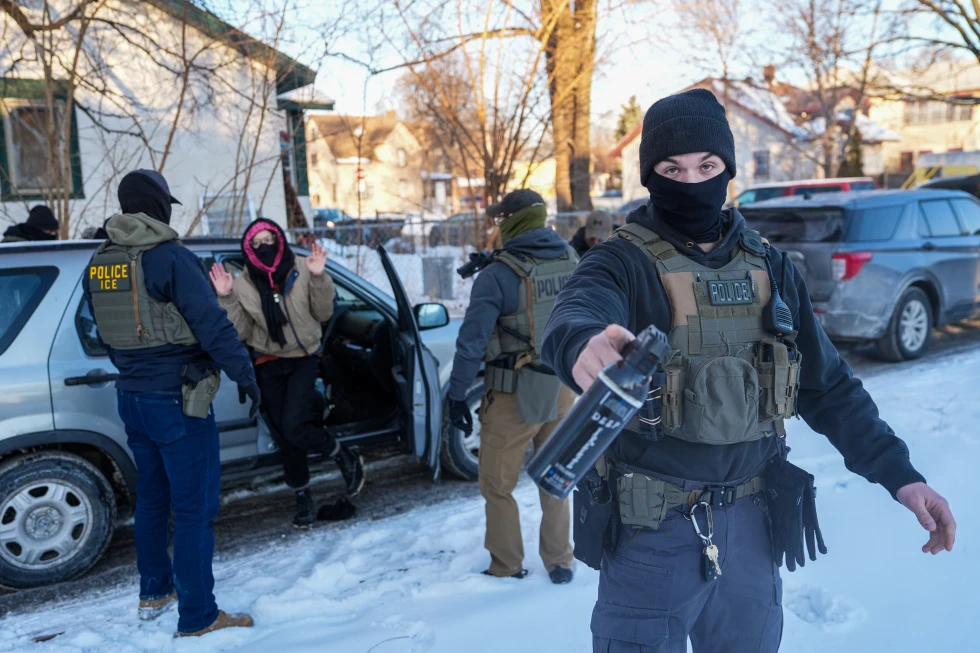
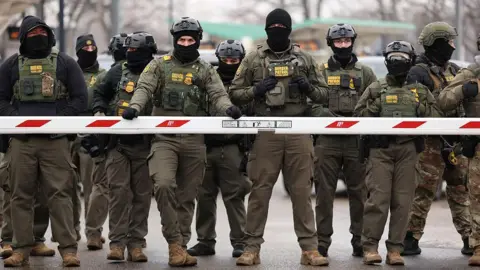
PORTLAND, Ore. (AP) — In a significant ruling, a federal judge in Oregon has issued a temporary restraining order, prohibiting federal officers from deploying tear gas and other chemical munitions at protests outside the U.S. Immigration and Customs Enforcement building in Portland. This comes in the wake of a recent incident where federal agents used tear gas against a crowd of demonstrators, including children, deemed by local officials to be peaceful.
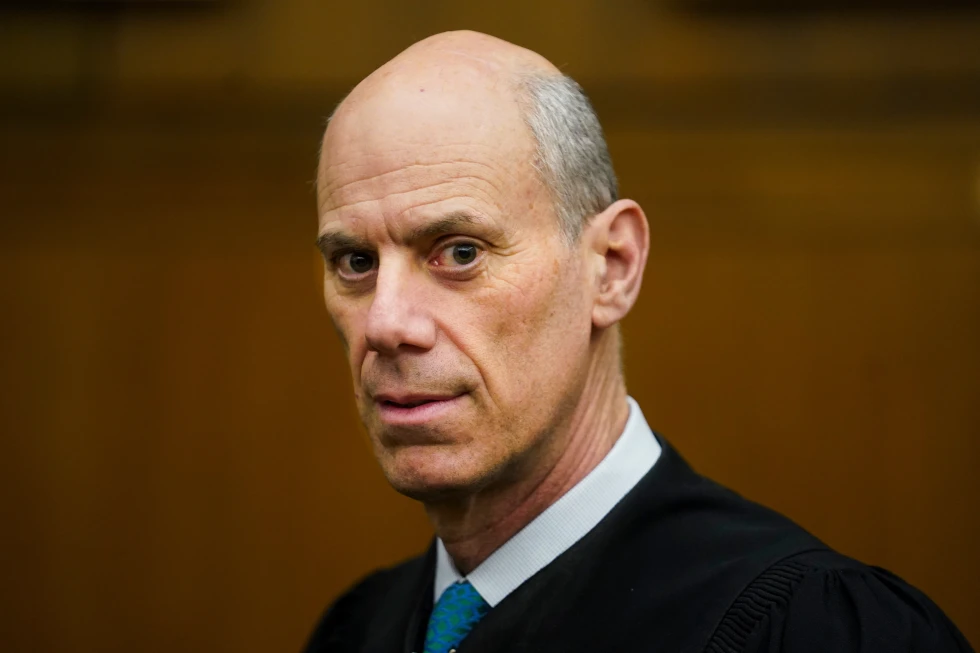
U.S. District Judge Michael Simon's order specifically stipulates that federal officers can only use chemical or projectile munitions if the targeted individual presents an imminent threat of physical harm. The ruling also dictates that munitions may not be used against individuals' head, neck, or torso unless the use of deadly force is legally justified.
This temporary restraining order is effective for 14 days and reflects the judge's sentiment that the nation is at a critical juncture with respect to civil liberties. He articulated the fundamental importance of free speech, nonviolent protest, and the role an impartial judiciary plays in upholding the rule of law.
The ruling was prompted by a lawsuit filed by the ACLU of Oregon on behalf of peaceful protesters and journalists covering the demonstrations. This lawsuit names as defendants the Department of Homeland Security and senior officials, including its head Kristi Noem and President Donald Trump, claiming that the aggressive tactics employed by federal officers were retaliatory actions that chilled First Amendment rights.
In response, the Department of Homeland Security stated that its officers have acted within the bounds of their training and employed the minimum amount of necessary force to protect both themselves and the public, emphasizing that the First Amendment does not shield rioting.
The issue of federal use of tear gas against peaceful protesters has gained attention in several courts across the country. Last month, a federal appeals court paused a ruling in Minnesota that restricted chemical munitions against non-obstructing protestors. This parity in judicial scrutiny across various jurisdictions highlights the growing tension between civil rights and law enforcement methods.
Among the plaintiffs in the Oregon lawsuit are individuals like Richard and Laurie Eckman, an elderly couple who were involved in a peaceful demonstration. Laurie Eckman suffered a head injury from a chemical munition meant for crowd control, underscoring the physical risks posed to peaceful protesters. Other complainants include a protestor known for wearing a chicken costume, who faced similar aggressive responses despite not posing any threat.
Local leaders including Portland Mayor Keith Wilson have vocally criticized the use of tear gas, describing it as inappropriate for peaceful gatherings and demanding the withdrawal of federal officers from the city. He was particularly appalled by the decision to use gas at a non-violent protest, underscoring the need for law enforcement to rethink their tactics in dealing with dissent.
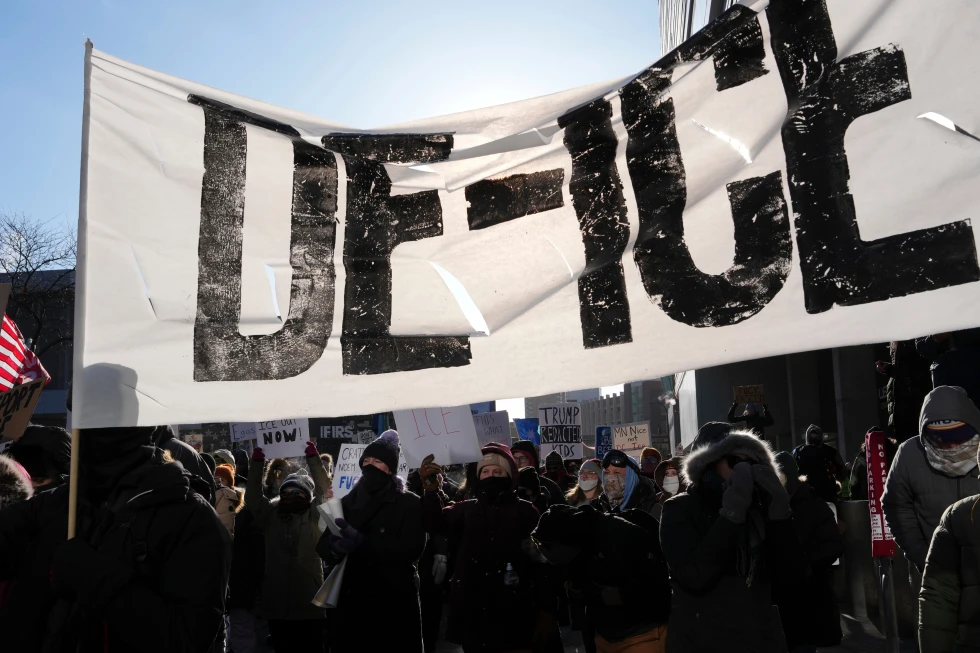
As protests against immigration enforcement surge nationwide, this ruling may have broader implications for how federal agents engage with communities and manage dissent in a democratic society.
U.S. District Judge Michael Simon's order specifically stipulates that federal officers can only use chemical or projectile munitions if the targeted individual presents an imminent threat of physical harm. The ruling also dictates that munitions may not be used against individuals' head, neck, or torso unless the use of deadly force is legally justified.
This temporary restraining order is effective for 14 days and reflects the judge's sentiment that the nation is at a critical juncture with respect to civil liberties. He articulated the fundamental importance of free speech, nonviolent protest, and the role an impartial judiciary plays in upholding the rule of law.
The ruling was prompted by a lawsuit filed by the ACLU of Oregon on behalf of peaceful protesters and journalists covering the demonstrations. This lawsuit names as defendants the Department of Homeland Security and senior officials, including its head Kristi Noem and President Donald Trump, claiming that the aggressive tactics employed by federal officers were retaliatory actions that chilled First Amendment rights.
In response, the Department of Homeland Security stated that its officers have acted within the bounds of their training and employed the minimum amount of necessary force to protect both themselves and the public, emphasizing that the First Amendment does not shield rioting.
The issue of federal use of tear gas against peaceful protesters has gained attention in several courts across the country. Last month, a federal appeals court paused a ruling in Minnesota that restricted chemical munitions against non-obstructing protestors. This parity in judicial scrutiny across various jurisdictions highlights the growing tension between civil rights and law enforcement methods.
Among the plaintiffs in the Oregon lawsuit are individuals like Richard and Laurie Eckman, an elderly couple who were involved in a peaceful demonstration. Laurie Eckman suffered a head injury from a chemical munition meant for crowd control, underscoring the physical risks posed to peaceful protesters. Other complainants include a protestor known for wearing a chicken costume, who faced similar aggressive responses despite not posing any threat.
Local leaders including Portland Mayor Keith Wilson have vocally criticized the use of tear gas, describing it as inappropriate for peaceful gatherings and demanding the withdrawal of federal officers from the city. He was particularly appalled by the decision to use gas at a non-violent protest, underscoring the need for law enforcement to rethink their tactics in dealing with dissent.
As protests against immigration enforcement surge nationwide, this ruling may have broader implications for how federal agents engage with communities and manage dissent in a democratic society.