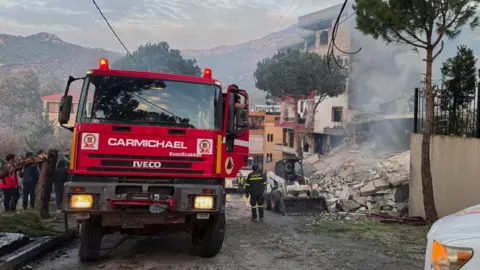
June 24, 2025, marked a critical day in the ongoing hostilities between Iran and Israel as the expected cease-fire, first announced by President Trump, faced immediate challenges. Early warnings of incoming missiles prompted Israeli citizens across the nation to take shelter moments after the truce was intended to take effect. Israel's military claimed that Iran launched multiple missile barrages, which led to deaths and destruction in cities like Beersheba, while Iran firmly denied initiating any attacks after the cease-fire commenced.
The fragile cease-fire, now hanging by a thread, came on the heels of intensifying military actions between both countries. Israeli forces reported preemptive strikes on missile launch sites in Iran and the death toll on both sides has been alarming, with reports indicating hundreds of casualties resulting from escalating rocket attacks. Iran's military response, which included multiple missile strikes, further complicated the acceptance of the cease-fire, with both sides claiming they had achieved their military objectives. Israeli officials have placed blame squarely on Iran for claiming contradictory statements regarding compliance with the truce agreement.
Reactions to the cease-fire announcement have been mixed globally. Leaders like French President Emmanuel Macron have called for stabilization and monitoring of the situation, while Russian officials welcomed the truce but voiced skepticism about its durability. The timing of Trump's announcement seemed opportunistic, coinciding with a significant NATO summit, with world leaders hopeful yet cautious about the potential for lasting peace.
Amidst the chaos, market analysts observed a relief rally in Asian stock markets, buoyed by the momentary hope of a cease-fire, reflecting the intricate links between military conflict and economic stability in the region. Thousands of civilians remain trapped in the cycle of violence, leading to irreversible destruction in both Iran and Israel as the world watches closely to see whether a renewed commitment to peace can emerge from this latest crisis. The humanitarian toll continues to rise, with urgent calls for diplomatic resolutions growing more pressing with each day's news of renewed hostilities.
The fragile cease-fire, now hanging by a thread, came on the heels of intensifying military actions between both countries. Israeli forces reported preemptive strikes on missile launch sites in Iran and the death toll on both sides has been alarming, with reports indicating hundreds of casualties resulting from escalating rocket attacks. Iran's military response, which included multiple missile strikes, further complicated the acceptance of the cease-fire, with both sides claiming they had achieved their military objectives. Israeli officials have placed blame squarely on Iran for claiming contradictory statements regarding compliance with the truce agreement.
Reactions to the cease-fire announcement have been mixed globally. Leaders like French President Emmanuel Macron have called for stabilization and monitoring of the situation, while Russian officials welcomed the truce but voiced skepticism about its durability. The timing of Trump's announcement seemed opportunistic, coinciding with a significant NATO summit, with world leaders hopeful yet cautious about the potential for lasting peace.
Amidst the chaos, market analysts observed a relief rally in Asian stock markets, buoyed by the momentary hope of a cease-fire, reflecting the intricate links between military conflict and economic stability in the region. Thousands of civilians remain trapped in the cycle of violence, leading to irreversible destruction in both Iran and Israel as the world watches closely to see whether a renewed commitment to peace can emerge from this latest crisis. The humanitarian toll continues to rise, with urgent calls for diplomatic resolutions growing more pressing with each day's news of renewed hostilities.