In brief
The situation in el-Fasher, a besieged city in Sudan's Darfur region, has reached a critical point. With soaring food prices and limited aid, civilians face unimaginable suffering while the conflict between the Sudanese army and the Rapid Support Forces escalates.
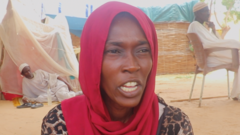
The community kitchen in el-Fasher is overflowing with despair as mothers share heart-wrenching accounts of their children’s suffering. "Our children are dying before our eyes," one woman tells the BBC. This city, marred by prolonged conflict and siege, suffers from unbearable food shortages, causing prices to skyrocket. A week's worth of food now barely suffices for a single meal. International aid organizations are condemning the situation, labeling it a deliberate strategy of warfare aimed at starving the suffering population.The rare video footage secured by the BBC, filmed by a local activist, highlights the desperate conditions. For over two years, the Sudanese army has been in a fierce conflict with the Rapid Support Forces (RSF), which recently escalated, resulting in severe attacks on el-Fasher. Amid healthcare collapse and rising malnutrition rates, hospitals struggle to cater to the needs of the population, faced with shelling and a shortage of medical supplies.Recent statements from medical professionals indicate that many children are battling malnutrition, with numerous fatalities reported due to the crisis. The assessment reveals that less than three liters of water per person daily in makeshift camps is a severe health threat, particularly with rising cholera cases caused by contaminated water sources.In Tawila, a town close to el-Fasher, displaced persons seek refuge, fleeing continuous violence while contending with disease outbreaks. For many, the journey is fraught with danger, marked by violent extortions from RSF-allied groups. The healthcare situation there remains precarious, with limited medical supplies and necessary facilities.Local agencies are calling for urgent humanitarian pauses to deliver aid, yet negotiations with conflicting factions are uncertain. While hospitals with minimal operations can receive some emergency aid through digital banking, the money is insufficient, as highlighted by Mathilde Vu from the Norwegian Refugee Council, who noted that $5,000 now provides food for only one out of 1,500 people.Mothers in the community kitchen, barely surviving on unappetizing ambaz porridge, are reaching their breaking point. "We're exhausted. We want this siege lifted," appeals Faiza Abkar Mohammed, seeking relief from the ongoing humanitarian disaster. As conditions worsen, the international community faces mounting pressure to intervene before the loss of life escalates further.