In brief
Private Mohammed Yusuf was arrested in Maiduguri after officials claim he supplied military uniforms to Boko Haram, other insurgents and gangs that kidnap civilians. He reportedly left the army to hide with an accomplice, then tried to flee into Cameroon. The case highlights growing concerns that armed groups may receive inside help from troops, civilian informants and even political networks, with data showing thousands of attacks and ransom payments last year. Nigeria’s army has begun to act, sentencing other soldiers to life for arms trafficking, but doubts remain about the depth of the problem and whether the military will clamp down effectively.
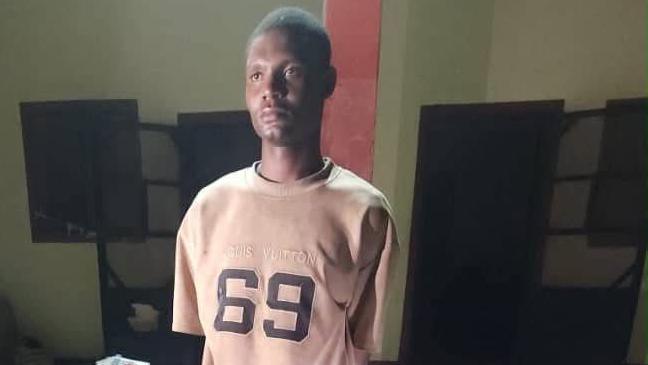
Private Mohammed Yusuf has been arrested in Maiduguri after Nigerian army officials claim he supplied military uniforms to terrorist and criminal groups, raising concerns about the integrity of the security forces.
The soldier, who was formerly stationed at an army equipment factory, allegedly deserted his unit earlier this month, then moved to the north‑eastern city where he went into hiding with an associate. He was intercepted at a bus stop while attempting to cross the border into neighbouring Cameroon.
The arrest reignited speculation that armed groups – including Islamist insurgents, separatists and bandits that kidnap civilians for ransom – may be benefiting from inside help, with some scouts donning military uniforms to mislead authorities.
Between January 2024 and April 2025 alone, Nigeria’s National Human Rights Commission recorded 3,000 kidnappings and 3,580 killings by armed groups. The surge in abductions is mainly attributed to “bandits” and insurgents such as Boko Haram and its offshoot Iswap.
School attacks remain a serious issue, with 26 major incidents from 2014 to 2026 and 2,416 students abducted. Ransom demands are estimated to reach millions of dollars annually.
In April 2025, Borno state Governor Babagana Zulum alleged that informants for Boko Haram operated within the armed forces, political class and local communities, urging stronger intelligence and ruthless action.
Months later, a special court-martial sentenced three Nigerian soldiers to life imprisonment for involvement in a major arms and ammunition racketeering scheme, citing theft, unlawful dealing and aiding the enemy.
Security analyst Bashir Galma believes that low pay breeds corruption among soldiers, while others hold secret allegiance to other groups, exacerbating the problem. A soldier who spoke anonymously to the BBC admitted that soldiers “deal with the other side” but issues are often hushed and handled internally.
One survivor, rescued after his family paid a 57m naira ($42,000) ransom, described security personnel laughing and shaking hands with criminals, suggesting possible financial incentives.
Another victim, who endured a 30‑day ordeal, suspected high‑level collusion after hearing helicopters that appeared and departed near his hidden camp, implying coordinated logistical support from armed groups.
While Yusuf remains in custody and investigations continue, the case highlights that the military is at least acknowledging infiltration and abuse within its own ranks. Whether this acknowledgment will lead to robust reforms remains uncertain.