In brief
Richard Itoro, a 47‑year‑old Nigerian car dealer, fled Johannesburg in June after intimidation tied to rising anti‑migrant protests. He left behind a wife, twins and decades of business assets as the pressure on foreign residents intensified. His departure highlights the diplomatic strain between South Africa and other African nations wary of rising xenophobia on the continent. The incident underscores a broader crisis of treatment of legal migrants in South Africa and the urgent need for clearer policies and protection measures.
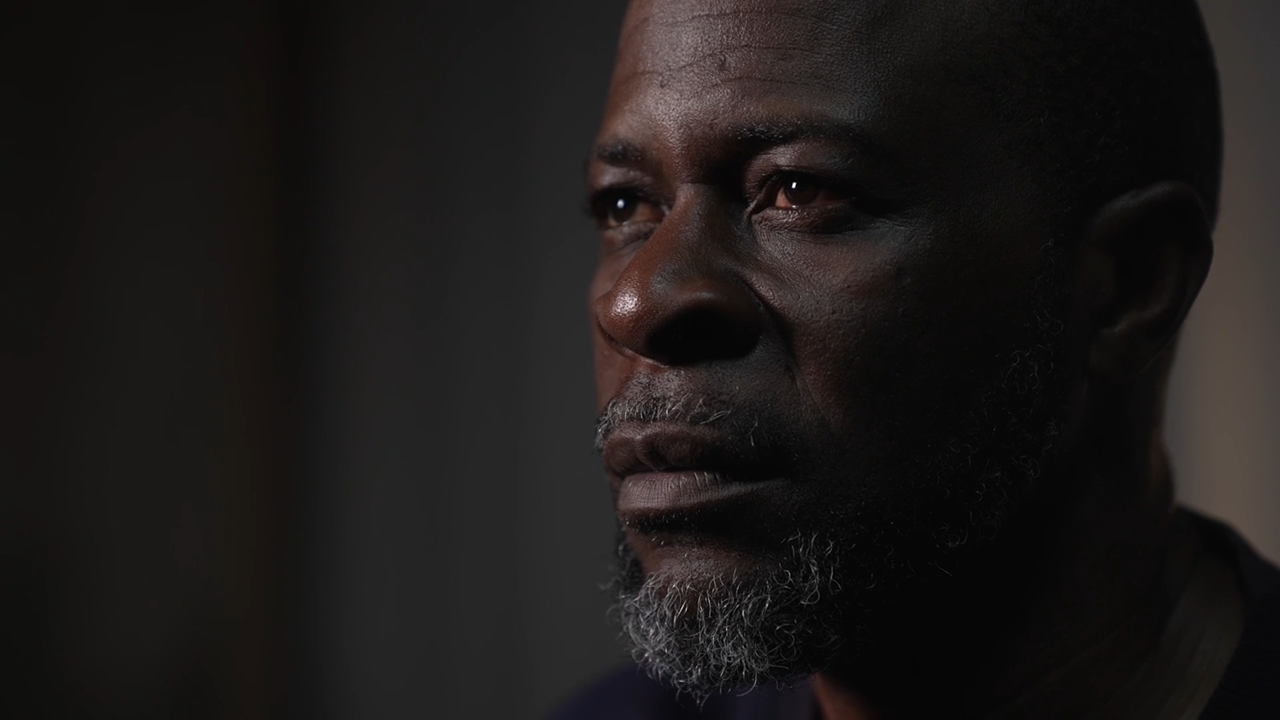
Nigerian entrepreneur Richard Itoro has left behind wife and twins, and a life built over 15 years of trading cars in Johannesburg after violence escalated amid anti‑migrant protests in South Africa.
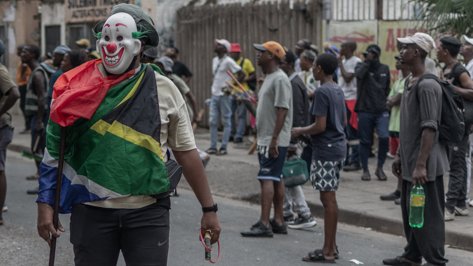
He fled on a voluntary repatriation flight in June, fearing for his safety as organised demonstrations swirled outside his neighbourhood and he reportedly received threatening remarks from neighbours that he was a parasite on the local economy.
Itoro, 47, said he had a valid visa and could prove his legal status, yet on the ground the hostility he faced did not spare his legal documents or personal ties. His face‑to‑face experience has become emblematic of a broader fear among African migrants about evolving immigration policies in the country.
The agitation erupted after the South African Culture Minister spoke about “legitimacy” and “paper‑covering” as key criteria for migrants. Yet for people like Itoro, the message became a lived threat when an alleged incident of a Nigerian being detained on drug charges heightened tensions.
South Africa’s Foreign Minister, Ronald Lamola, defended the country’s right to enforce its immigration laws but admitted that the situation has raised questions about the safety of Nigerians and other African nationals. Meanwhile, the Nigerian government was keen to recognise the plight of its citizens, noting records of “legitimate” Nigerians who were still attacked.
Local reporters in Lagos captured interviews with Itoro, who remains hopeful that his wife will re‑join him soon but acknowledges the heartbreak of leaving all he owned behind. “I leave in a state of grief, knowing my family is out there, and another country may turn me away,” he told the BBC.
While Itoro’s story is deeply personal, the broader illustration of many African nationals—Ghanaians, Nigerians, Malawians—suffering similar fates across the continent has been amplified by social media footage. Even an incident involving a Ghanaian hairdresser, Emmanuel Asamoah, garnered widespread attention when a video of him being harassed was circulated online, sparking outrage in Ghana.
The return of many African citizens to their homes has pressed South Africa to rebalance its immigration stance. As the protests reach a crescendo, holding the line against xenophobia remains a complex challenge, especially as the country grapples with a high unemployment rate that fuels resentment against foreigners.
In Lagos, Itoro’s future is uncertain. He is writing to let his family that they share his prospects, and that he plans to resume business in his homeland. Whether South Africa will reconsider its immigration policies or explain better how it protects legal migrants remains unclear, but the human toll of the protests is already apparent in the lives of people like Itoro.