In brief
Nigeria’s waterways are suddenly the hotbed of boat crashes, with dozens killed each year. The deadly pattern is fed by overcrowding, aging wooden vessels and a chronic shortage of life‑jackets. Despite government pledges to improve safety, enforcement lapses and untrained operators make change slow. In contrast, Lagos’s aggressive reforms show a path forward—new boats, mandatory life‑jackets and trained crews—but spreading this model countrywide will take time. Families like Aisha Mohammed’s are left to grieve while official departments struggle to keep afloat regulations.
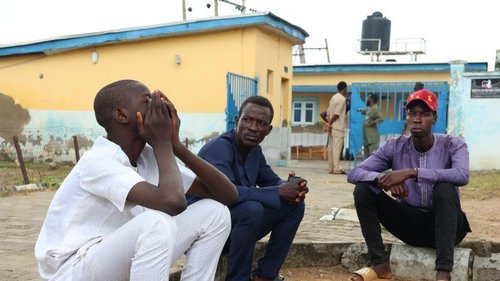
Each week, a new Nigerian river disaster brings fresh shock and a tragic toll of survivors and families yet again. In Jigawa state this week, a wooden canoe capsised during a Sunday trip, killing seven and leaving twenty‑three survivors. The scene is all too familiar: overcrowded boats, no life‑jackets and little law enforcement.
Across the country, officials repeatedly promise stronger safety rules, but passengers still board boats that can hold far more people than they can legally carry. The lack of available life‑jackets, often only ten per boat, means many riders, especially women who travel with family goods or to join new spouses, are exposed to fatal risk.
On the brighter side, Lagos has reversed its grim record. In 2024 only one life‑jacket death was reported, and the state has supplied a fleet of new boats, dredged waterways, stationed guards and mandated licensed, trained operators. The city’s dramatic decline suggests that a national overhaul of safety protocols is possible.
Minister Adegboyega Oyetola acknowledged that wooden craft are unsafe and called for the introduction of fibre or aluminium vessels. Yet the pace of adoption remains slow, and many of Nigeria’s most affected states lack adequate marshals and infrastructure to enforce the Water Transport Code enacted in 2023.
Families such as Aisha Mohammed, who lost three daughters in a 2023 Kwara state tragedy, mourn the reset of the same boat accidents, a reality that among the rural Niger, Kaduna, Kebbi, Sokoto and other riverine states occurs with alarming regularity.
In short, Nigerian waterways are a crisis zone where systemic neglect, poverty and legacy infrastructure collide. The country’s transportation authorities and policy makers must adopt Lagos’s bold reforms nationwide—standardised vessels, enforced life‑jacket mandates, real training and solid infrastructure—to finally end the living‑earthquakes that last thousands of lives each year.