Civil rights groups and pro-gun advocates in Australia have raised concerns that new fast-tracked laws will place undue restrictions on firearms and protests in the wake of the Bondi shootings.
On Monday, the Australian state of New South Wales (NSW) recalled its parliament to debate a raft of new laws such as banning the phrase globalise the intifada, limiting the number of guns one person can own, and granting greater police powers for protests.
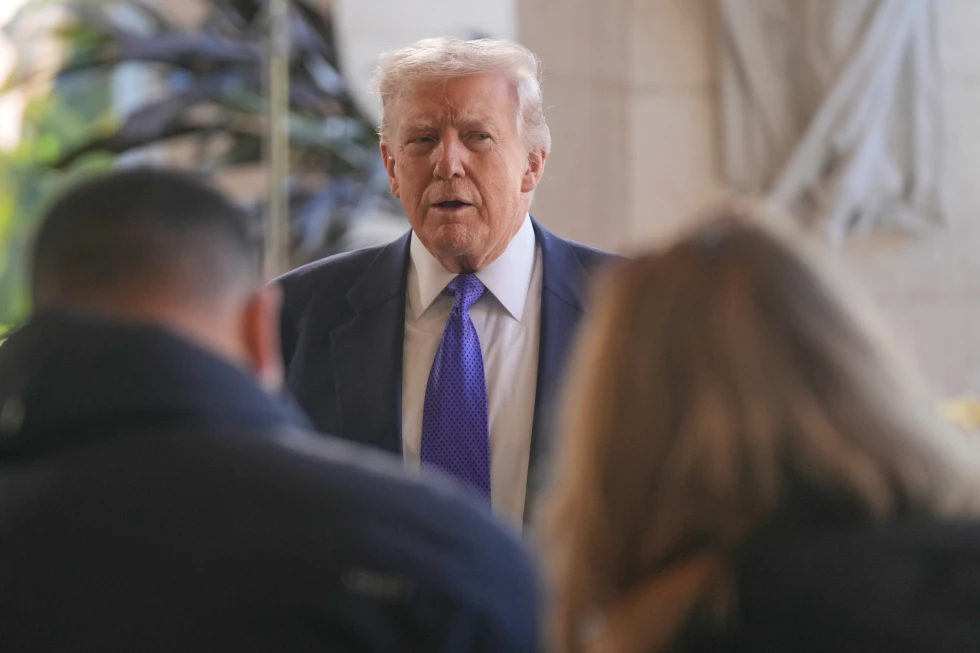
NSW Premier Chris Minns stated that while some may feel the changes had gone too far, they were necessary to ensure community safety.
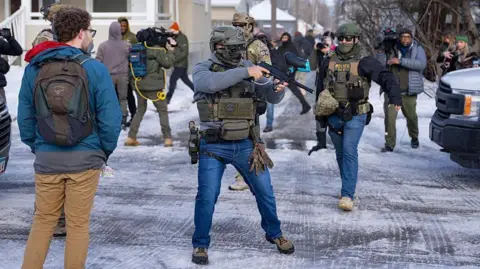
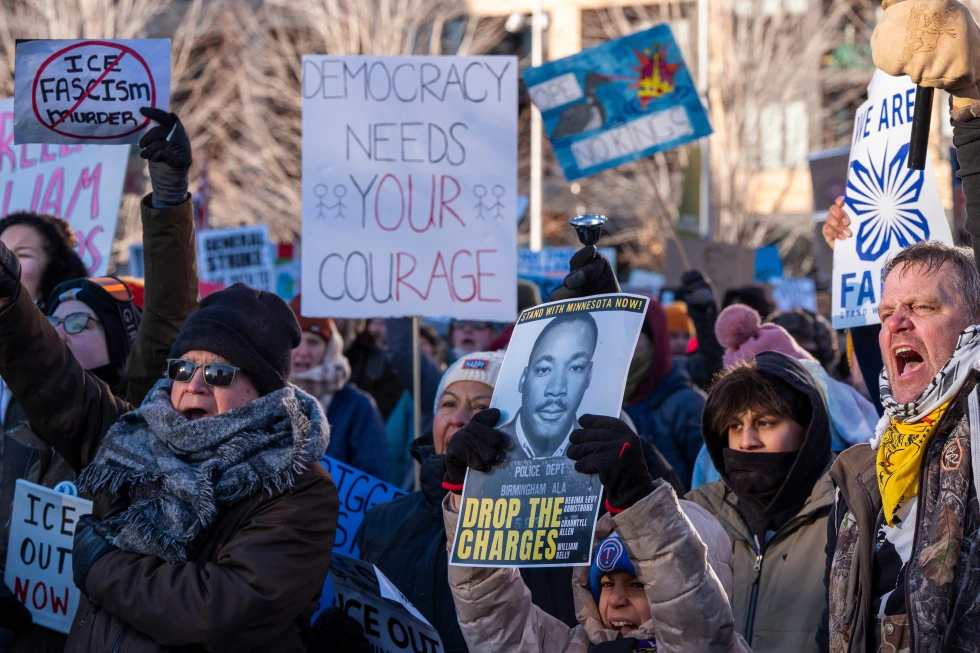
Critics, including a pro-gun politician, argue the laws unfairly target law-abiding gun owners, while civil libertarians see the protest restrictions as an affront to democracy.
On banning the term intifada, Minns expressed that its use at protests in Australia is a call to global violence and a culture of disunity.
Following the Bondi attacks, where 15 people were killed, the Jewish community accused the government of failing to adequately protect them from rising antisemitism.
The protest laws will allow police to impose restrictions on demonstrations at places of worship, with harsher penalties for violations.
Timothy Roberts from the NSW Council for Civil Liberties condemned the new laws, stating they ignore a recent court decision regarding political communication rights.
Police will also gain the ability to remove face coverings from protesters suspected of offenses, expanding previous regulations.
The gun reform legislation includes limits on firearm ownership, allowing individuals to possess no more than four firearms, except for specific exceptions, and mandates more frequent license renewals.
Advocates for the reforms argue they close significant loopholes in gun laws, while opponents criticize them for misplacing blame on responsible gun owners.
The debate continues on balancing community safety with individual rights in a changing social landscape.