In brief
In a move prompted by a lawsuit from 9/11 Health Watch, New York City announced the release of 170,000 pages of air‑quality data from the 1991–2001 period. The documents show officials feared toxic dust after the Twin Towers collapsed but reassured residents that the air was safe. Mayor Mamdani said the papers expose how city leaders handled liability and toxicity, and the city will spend more than $34 million to open the files online by the attacks’ 25th anniversary. Survivors, including actor Jon Stewart, confirmed that authorities didn’t fully acknowledge the hazardous air until October 2001. The release comes amid ongoing claims that toxic dust from the attacks has caused thousands of illnesses, including cancer.
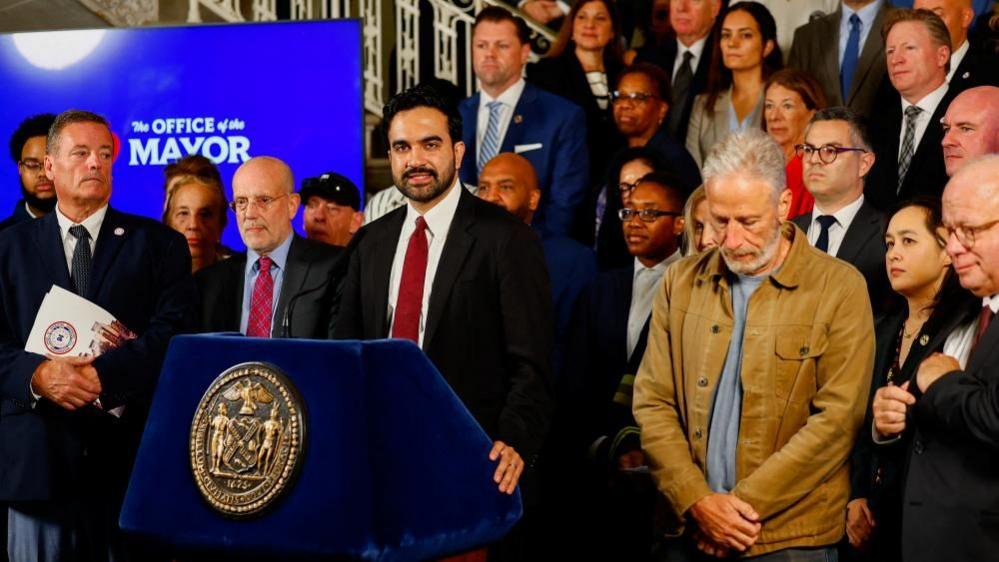
Mayor Zohran Mamdani announced Tuesday that the city will unveil previously unseen records about air quality in Manhattan following the September 11 attacks, after a lawsuit from advocacy group 9/11 Health Watch forced the release of the documents. Over 170,000 pages will be made available through an online portal, timed with the attacks’ 25th anniversary, and the city will invest more than $34 million to facilitate access.
The files, dating back to the early 2000s, document officials’ concerns about toxic dust, asbestos, and other contaminants that were released when the Twin Towers collapsed. They show how the city tried to reassure the public that the air was safe while later admitting the reality of hazardous exposure.
“People got sick because the leaders they trusted lied and told them they were safe to breathe in toxic air,” Mamdani told reporters. The mayor said the records show how the city “knew about the toxic air around Ground Zero, when they knew it, and how they acted to limit liability.” He acknowledged that the city’s statements were delayed until October 2001, as confirmed by a memo from an aide to former Deputy Mayor Robert Harding.
Survivors and activists, including television host Jon Stewart, criticized the delayed acknowledgement. Stewart noted that the air was not recognized as unsafe until months after the disaster, accusing the city of withholding vital information for 25 years. The mayor responded that no such intent exists and that more documents will be released over the next year.
The public release addresses longstanding concerns about health effects linked to the dust and smoke from the collapse, which have proven to cause twice as many deaths as the attacks themselves. Former FDNY EMT Elizabeth Cascio told reporters she suffered sinus issues and headaches after responding to the attacks, stating, "We all knew the air quality was not safe – it was very toxic in terms of how it felt."
With the documents now publicly accessible, the city faces scrutiny over its handling of the toxic environment at Ground Zero and the broader implications for public health policy and accountability.