NASA Launches Rescue Mission to Save Swift Space Telescope
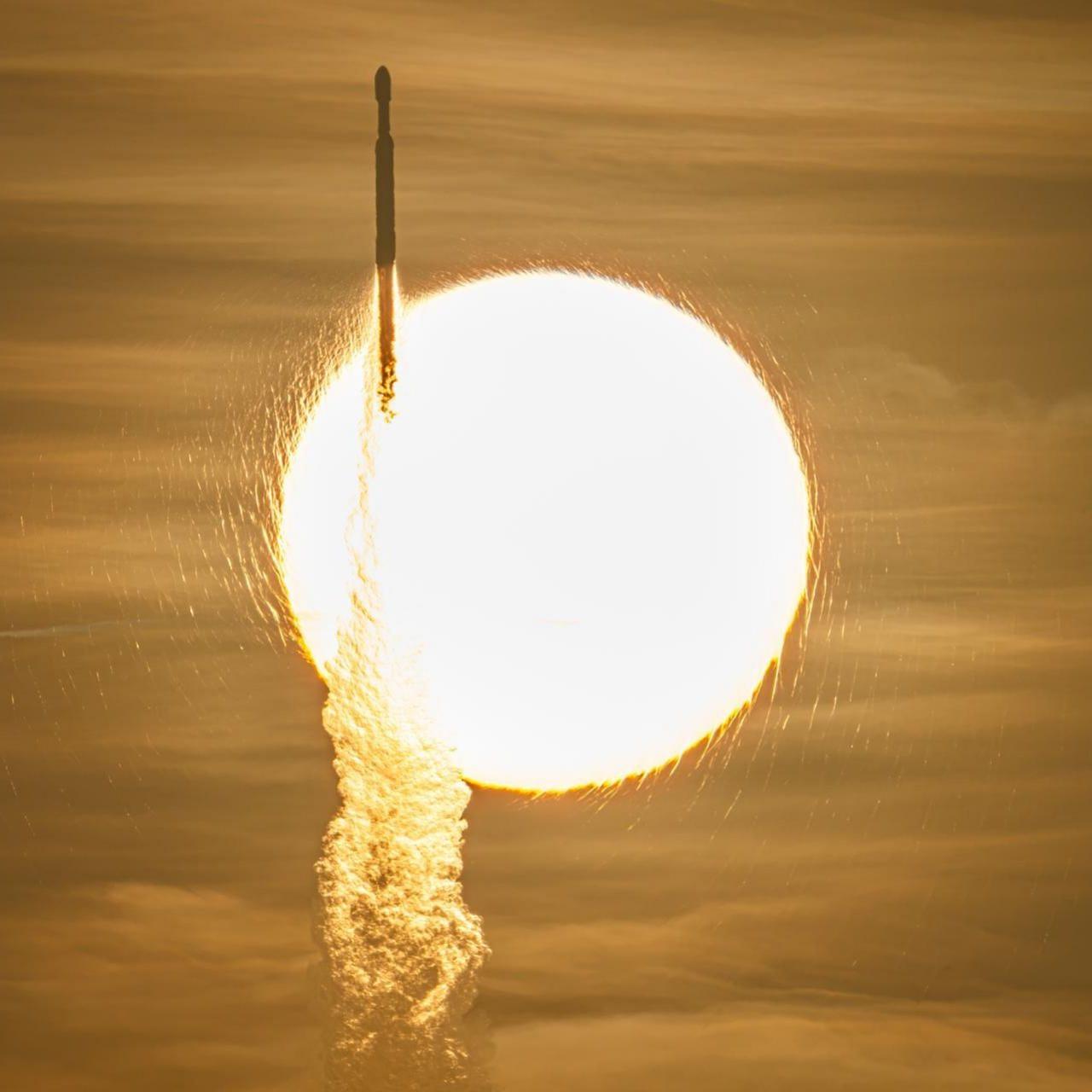
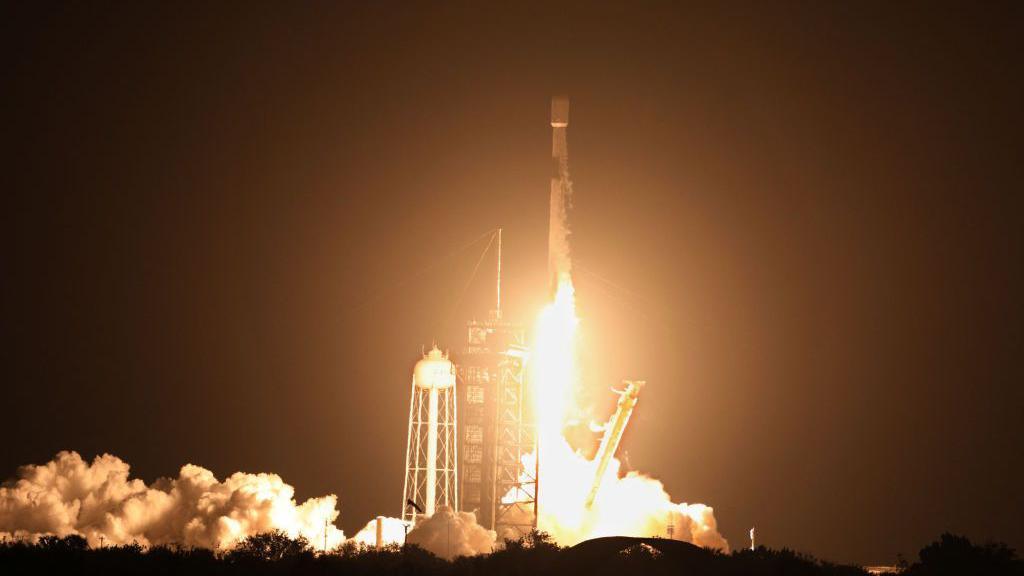
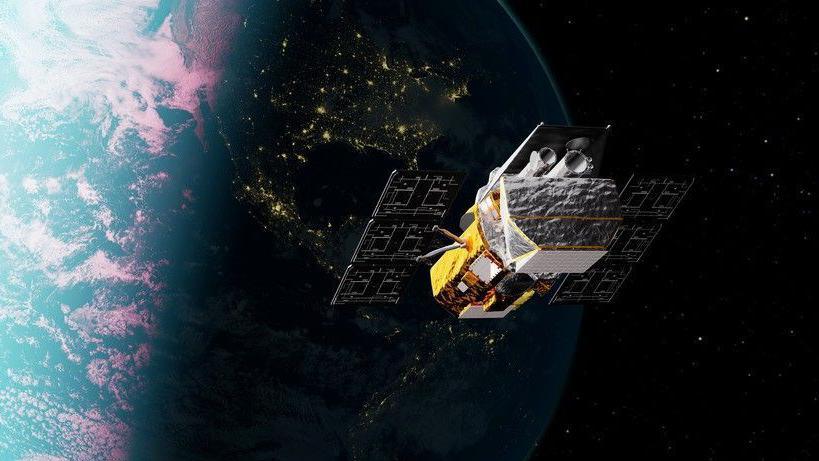
A NASA‑funded robotic spacecraft has been launched this Friday to intercept and stabilize the Swift Observatory, a crucial asset for studying cosmic explosions that has begun falling toward Earth.
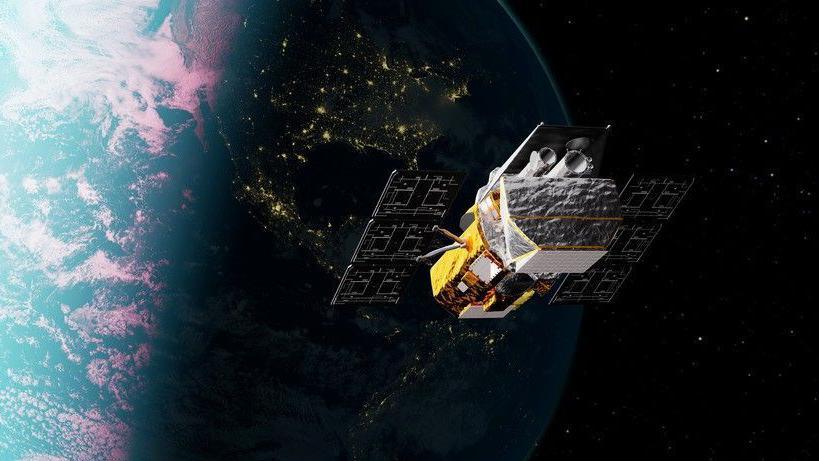
The Swift satellite, launched in 2004, was positioned in a 600‑km orbit but has since dropped to roughly 360 km in response to increased solar activity. While satellites routinely re‑enter the atmosphere, Swift’s unique scientific capabilities—monitoring gamma‑ray bursts and high‑energy events—make its loss a major blow to researchers worldwide.
The mission, named LINK, is an all‑new design by Katalyst Space Technologies, a company based in Flagstaff, Arizona. Their three‑armed robot, about the size of a refrigerator, will be guided to Swift by cameras and onboard sensors.
Link’s task is to carefully approach Swift, attach to it with precision arms, and employ small thrusters to lift the telescope to a stable 600‑km orbit. The operation is risky, as Swift was never engineered to be caught in space, but the stakes are high given the observatory’s scientific importance.
If successful, LINK could herald a new era of in‑orbit rescue missions, potentially extending to famed satellites such as Hubble. NASA’s decision to fund this bold experiment underscores the value placed on preserving human ingenuity in space.