In brief
A NASA‑funded spacecraft, LINK, has been launched to capture the aging Swift gamma‑ray burst telescope as it descends toward Earth. The mission will use three robotic arms to grapple the telescope and lift it back into a stable orbit, a manoeuvre never performed before. Engineers at Katalyst Space Technologies built and launched LINK in record time, giving them a narrow window before Swift’s orbit falls below 300 km. Scientists say saving Swift will preserve vital data on powerful cosmic explosions, while the crew emphasises the high risk involved. The outcome may open the door to future rescue attempts for other aging space assets.
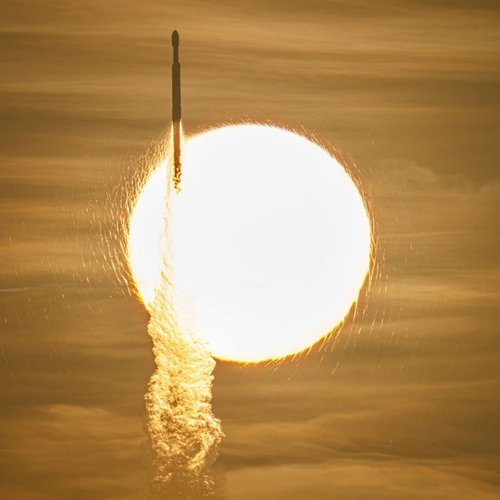
A NASA‑funded spacecraft, LINK, has been launched to snare the aging Swift gamma‑ray burst observatory before it re‑enters the Earth’s atmosphere. The mission, launched Friday, may be the first time a free‑floating telescope is intercepted and moved to a safer orbit.
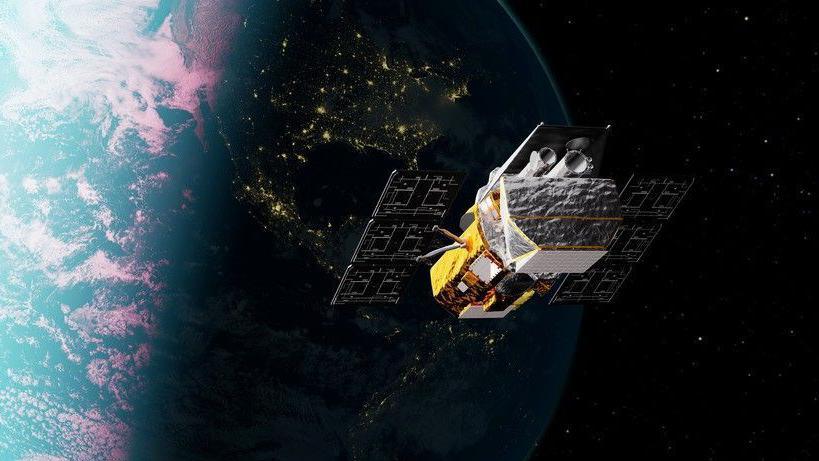
LINK, a three‑armed robot about the size of a fridge, will travel to Swift’s orbit of roughly 220 mi (360 km) and attempt to grab the telescope with precision. Inside its body, engineers have fitted cameras, guidance systems and thrusters to map Swift from every angle, slow the approach, and capture it.
Once hooked, LINK will gently lift Swift upward, aiming for the original 373 mi (600 km) orbit that kept it out of the drag‑filled lower atmosphere. NASA officials say the success of this first rescue could pave the way for future missions to save other aging space assets, such as the famed Hubble telescope.
The Katalyst Space Technologies team, based in Flagstaff, Arizona, completed the design, build and integration of LINK in under eight months. Their rapid development is a testament to the growing commercial capacity for in‑space servicing.
Experts warn the endeavour is high risk, but NASA confirmed it is worth the attempt because Swift produced invaluable data on super‑energetic cosmic events for twenty‑five years since its 2004 launch.
Mission officials expect the first successful grab to occur within a few weeks of launch. If it succeeds, the world will watch closely as the next phase of orbital rescue is considered.