In brief
As New York City implements the United States' first congestion charge scheme, cars entering a designated zone will incur fees ranging from $9 to $21.60, aiming to alleviate severe traffic and enhance public transportation funding.
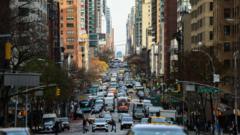
The congestion charge, now in effect, has made New York City the first in the United States to adopt such a measure aimed at easing traffic congestion. Drivers will be faced with a daily fee of up to $9, depending on the type of vehicle, to enter the congestion zone, which encompasses areas south of Central Park, including landmark spots like the Empire State Building and Times Square.This initiative is geared towards mitigating New York's ongoing traffic issues while generating billions of dollars for the public transport system. However, it has encountered notable opposition, especially from prominent individuals like President-elect Donald Trump, a New Yorker whose criticisms have gained traction among local Republican officials.Governor Kathy Hochul first proposed the congestion charge two years ago, but implementation faced delays and revisions due to pushback from commuters and business owners. The recent reactivation of the plan comes after a pause earlier this year owing to concerns over its impact on New Yorkers. Under the new rules, the charges will be as follows: standard cars will pay $9 during peak hours and $2.25 at off-peak times, while small trucks and non-commuter buses face a $14.40 fee, and larger vehicles, such as tourist buses, will be charged $21.60 during peak periods. The opposition from taxi drivers and others has been significant, but none as high-profile as Trump's commitment to dismantle the charge when he assumes office. Congressman Mike Lawler has called on Trump to terminate the congestion pricing initiative, labeling it an unfair cash grab.Just last year, New York City was recognized as the most congested urban area in the world for a second consecutive year, with downtown Manhattan traffic averaging a mere 11 mph during peak hours. A last-minute legal attempt by New Jersey officials to halt the congestion charge due to concerns over its environmental effects was dismissed by a judge, allowing the scheme to proceed as planned.