
In brief
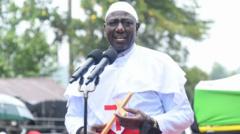
President William Ruto, who relied on support from the evangelical community during his election, is now encountering fierce criticism from churches over his government's tax policies and perceived corruption. Clergy are vocalizing outrage, leading some to question Ruto's moral standing in relation to his faith.
In the last two years, Kenya’s President William Ruto has seen a dramatic shift in his relationship with the church, once a staunch ally during his rise to power. Initially hailed as a "David" for his evangelical roots, Ruto is now drawing comparisons to Zacchaeus, the unpopular tax collector from the Bible, as church leaders express their disillusionment regarding his government’s economic policies.Historically, Ruto built significant support among Kenya's Christian population, attending various church services and embracing religious practices that endeared him to voters. However, his administration’s significant tax increases have bred resentment among the populace, prompting protests led by young Kenyans demanding accountability from the government and questioning the closeness of the churches to political figures.This discontent has forced a reckoning within the church hierarchy, with leaders like Teresia Wairimu of Faith Evangelistic Ministries openly critiquing Ruto's governance. Similar sentiments echoed from Rev. Tony Kiama, who characterized Ruto’s regime as "not serving God’s purpose." The ire culminated in a significant rebuke from the Catholic bishops, who accused the administration of fostering a "culture of lies" and systemic corruption while also rejecting political donations, citing ethical concerns.This shift in tone is notable given the Catholic Church’s influence in the country, with millions of congregants and significant investment in essential social services like healthcare and education. The bishops’ criticism, which included stark mentions of state-sponsored violence and over-taxation, has resonated widely across various Christian denominations and beyond, garnering support from Muslim leaders as well.Responding to these challenges, Ruto's allies initially dismissed the bishops’ statements as “misinformation,” but subsequent events have shown a tempered approach from the president, who publicly acknowledged the need to engage the clergy in dialogue. With his re-election hanging in the balance, it's clear that President Ruto must navigate these troubled waters carefully, recognizing that the once-embedded support from the church could now serve as a double-edged sword in Kenyan politics.



