In brief
Earlier this week a drone strike targeted the Zawiya refinery, Libya’s biggest operational oil plant, igniting a massive fuel tank and causing a blaze that collapsed the structure. Emergency crews fought the fire, reporting only minor smoke‑inhalation injuries among the few patients treated. The National Oil Corporation warned that further attacks could force a shutdown of the refinery, a facility that processes 120,000 barrels of oil daily. This incident underscores the ongoing instability and violent clashes that have plagued Libya since the fall of Muammar Gaddafi in 2011, as rival military and political factions vie for control.
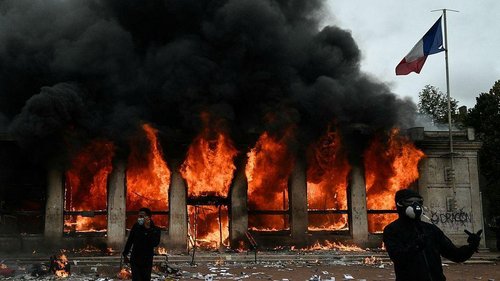
A drone strike on Monday night targeted the Zawiya refinery, the biggest oil processing plant in Libya, and set ablaze a 4.5‑million‑litre fuel tank. The explosion collapsed part of the facility and sparked a large blaze that has now reached the neighbouring storage array.
Emergency crews have been battling the fire all night, while the National Oil Corporation (NOC) reports that the incident could eventually lead to a temporary shutdown of the refinery if the attacks continue. The NOC’s statement came after two other drone strikes in the last 48 hours, which hit a naphtha reservoir and a desalination plant.
There have been no serious injuries; most patients treated by Libya’s Ambulance and Emergency Service suffered only from smoke inhalation. Nonetheless officials warn that the situation could have wider economic repercussions.
The Zawiya refinery processes roughly 120,000 barrels of oil per day and represents a vital component of Libya’s energy supply chain. Attacks on such infrastructure emphasize the fragile security environment that remains since the 2011 civil war that toppled former dictator Muammar Gaddafi. Today Libya is split into competing power centres – an eastern faction backed by Khalifa Haftar’s forces and a western side led by Prime Minister Abdulhamid Dbeibah – each seeking political and military dominance.
The NOC has urged local authorities to investigate the perpetrators of the drone attacks. With further strikes threatening production, the future of the refinery remains uncertain.