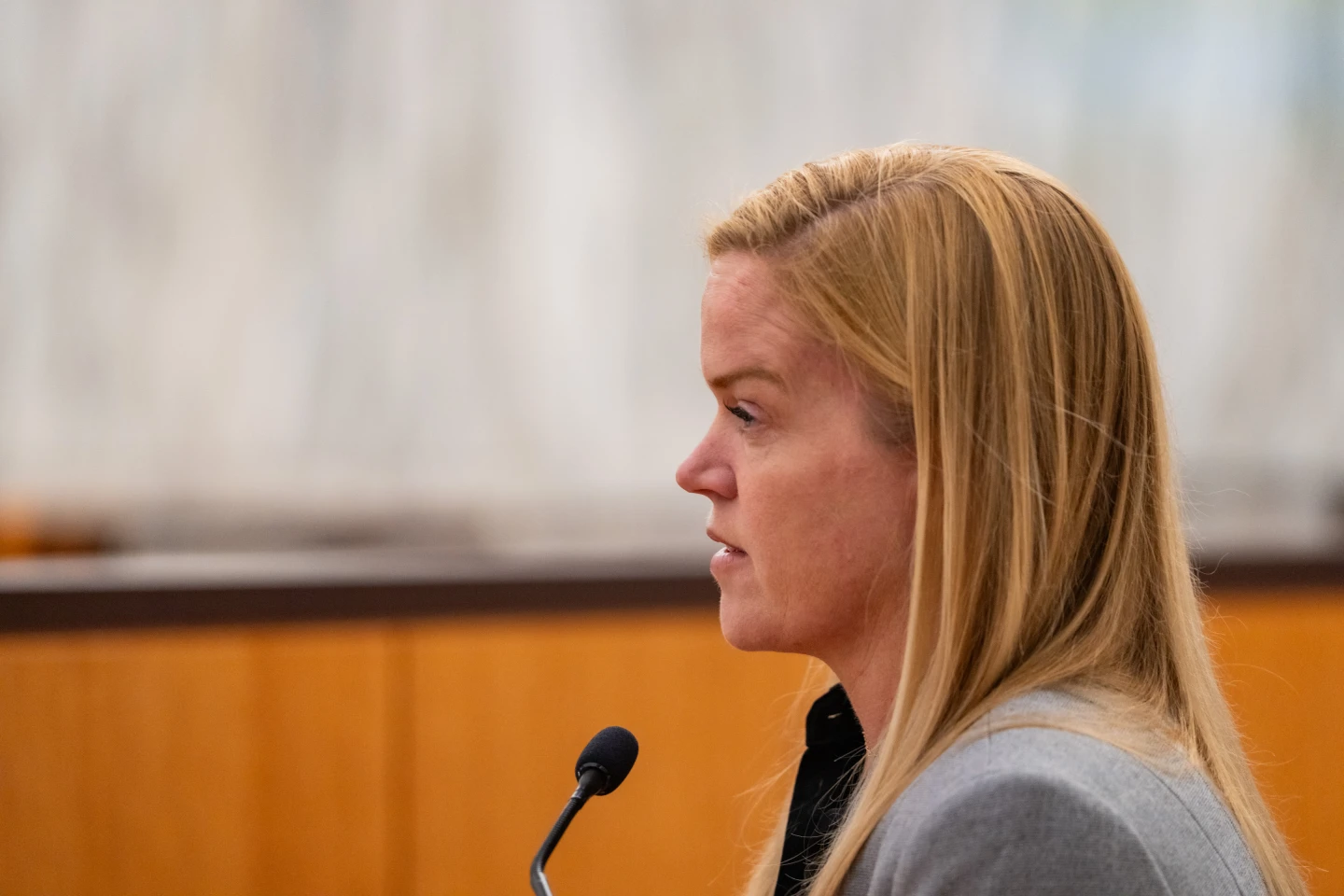
BOSTON (AP) — Massachusetts’ highest court heard oral arguments Friday in the state’s lawsuit arguing that Meta designed features on Facebook and Instagram to make them addictive to young users.
The lawsuit, filed in 2023 by Attorney General Andrea Campbell, alleges that Meta did this to make a profit and that its actions affected hundreds of thousands of teenagers in Massachusetts who use the social media platforms.
State Solicitor David Kravitz emphasized that their claims focus on the tools Meta has developed, which promote addiction, and are not related to the company’s algorithms or content moderation failures.
In response, Meta strongly disagrees with these allegations and asserts its commitment to supporting young users. Its attorney, Mark Mosier, raised concerns that the lawsuit could impose liabilities on traditional publishing functions, arguing their actions fall under First Amendment protections.
Judges expressed interest in how Meta's functions, like notifications, contribute to user engagement rather than the content shared on its platforms. Justice Dalila Wendlandt remarked that the claims revolve around how these features exploit the fear of missing out among teenagers.
The lawsuit is part of broader efforts against Meta, with 33 states filing a joint suit regarding data collection on children under 13. Reports indicate Meta acknowledged potential harms of Instagram, noting detrimental effects on teen mental health.
Critics argue that Meta has not adequately addressed safety concerns and have pointed to a report suggesting the company has failed to meaningfully implement solutions for the well-being of young users.
Meta insists that the report mischaracterizes their measures for teen safety and maintains they are taking steps to enhance protections for young users.