In brief
Authorities in Kericho, Kenya, have unearthed a mass grave with around 32 bodies, mostly infants and children. The exhumation followed an investigation launched after a tip-off. Initial findings indicate irregularities in the burial process, with bodies believed to originate from local hospitals. Law enforcement officials are looking into potential criminal activity related to the case, which has drawn significant public attention and concern over the circumstances of these grave discoveries.
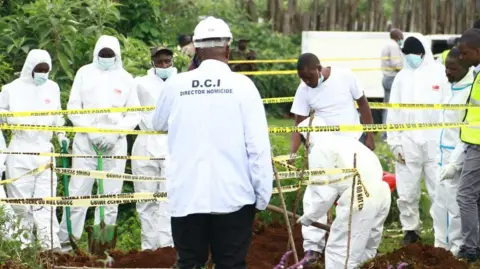
A recent investigation in the western Kenyan town of Kericho has revealed a mass grave containing about 32 bodies, most of whom are believed to be infants and children. This shocking discovery came about after police obtained a court order to exhumate bodies initially thought to be buried at the site.The exhumation process, described as 'quite unusual' by government pathologist Richard Njoroge, saw bodies stacked in gunny bags. The digging was hindered by heavy rains and the investigation has led to the retrieval of several intact remains as well as partial body parts.The findings, which include seven adults and 25 child bodies, raised immediate concerns regarding the circumstances surrounding their burial. A post-mortem examination is set to commence, aiming to clarify the origins of the bodies.There are exceptional indications that some remains may come from local hospitals, as many were reportedly unclaimed. This has triggered queries on how these bodies ended up buried in a national council property, which has denied any involvement in the burial process.The Directorate of Criminal Investigations (DCI) has also reported arrests, including a public health officer and a cemetery caretaker, as part of a broader investigation into possible criminal activities surrounding the grave.Human rights group Vocal Africa condemned the incident, calling it 'staggering and horrific', urging for a transparent investigation into the situation. The case echoes prior incidents in Kenya involving mass graves, intensifying public scrutiny and anxiety regarding official conduct in such grave matters.