In brief
During the G7 summit in Kananaskis, Canada, President Zelensky sought more substantial support for Ukraine, but the meeting concluded with minimal attention to the ongoing conflict, overshadowed by escalating crises in the Middle East.
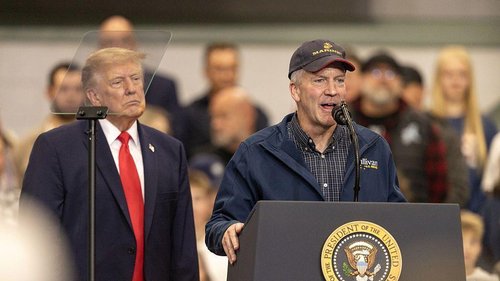
As Russian forces launched one of their most severe attacks on Kyiv in nearly a year, President Volodymyr Zelensky traveled to Kananaskis, Alberta, early Tuesday, eager to meet with U.S. President Donald Trump and secure greater backing from the G7 nations. Instead of engaging in substantive talks, President Trump departed the summit prematurely, canceling their scheduled meeting and expressing disappointment that Russia did not participate in the discussions.The summit's conclusions included only a fleeting mention of Ukraine in a summary released by Canadian Prime Minister Mark Carney, which emphasized Trump's diplomatic approach while refraining from direct criticism of Russia. It was noted that the group would investigate avenues to increase pressure on Moscow, but specific actions were not outlined.At the summit’s conclusion, Prime Minister Carney acknowledged that several nations, including Canada, preferred a stronger stance on Ukraine than what was reflected in the final statements. However, he justified focusing on the immediate, dynamic crisis in the Middle East, particularly regarding Iran, leaving Ukraine's plight to a more peripheral status.Consequently, Zelensky's inadequate reception at this high-profile gathering illustrated the shifting global priorities, where Ukraine’s struggle for support took a backseat to the urgent negotiations concerning Middle Eastern conflicts.