In brief
As the new government grapples with instability, the attack highlights the persistent threats from extremist groups.
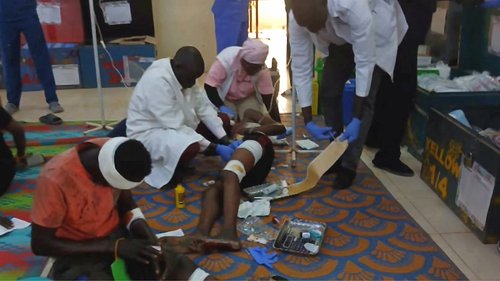
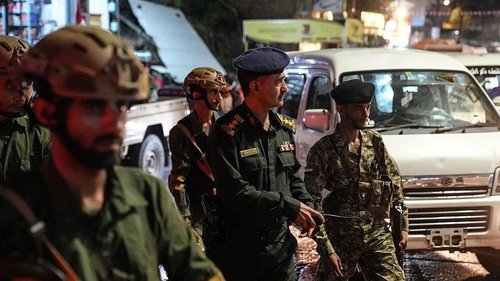
A suicide bomber targeted a Greek Orthodox Church during a service in Damascus on Sunday, killing at least 20 individuals and exposing significant challenges for Syria's nascent government following more than a decade of civil conflict. The incident occurred at the Mar Elias Church in Dweila, where the assailant opened fire on worshipers before detonating an explosive vest. Reports indicate that over 50 others sustained injuries.Authorities suspect the attacker had connections to the Islamic State, notorious for previously holding a vast territory in Syria. This bombing marks the first suicide attack in the capital since last December, following the ousting of long-time president Bashar al-Assad by a coalition of rebel forces.In the wake of the bombing, Syria’s new government has promised to restore stability and calm fears among the nation’s marginalized religious minorities. Nonetheless, sectarian tensions remain high in the aftermath of the civil war, prompting warnings from both the United Nations and U.S. officials that remnants of the Islamic State may attempt to exploit power vacuums in the region.In the immediate aftermath of the attack, local residents and emergency services rushed to assist, sharing harrowing accounts of devastation, with images from state media displaying bloody and charred interiors of the church, littered with debris and shrapnel after the explosion.