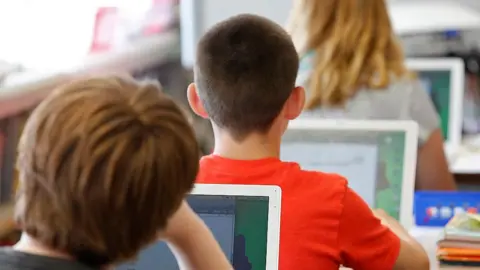
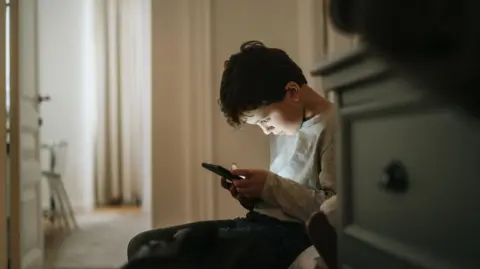
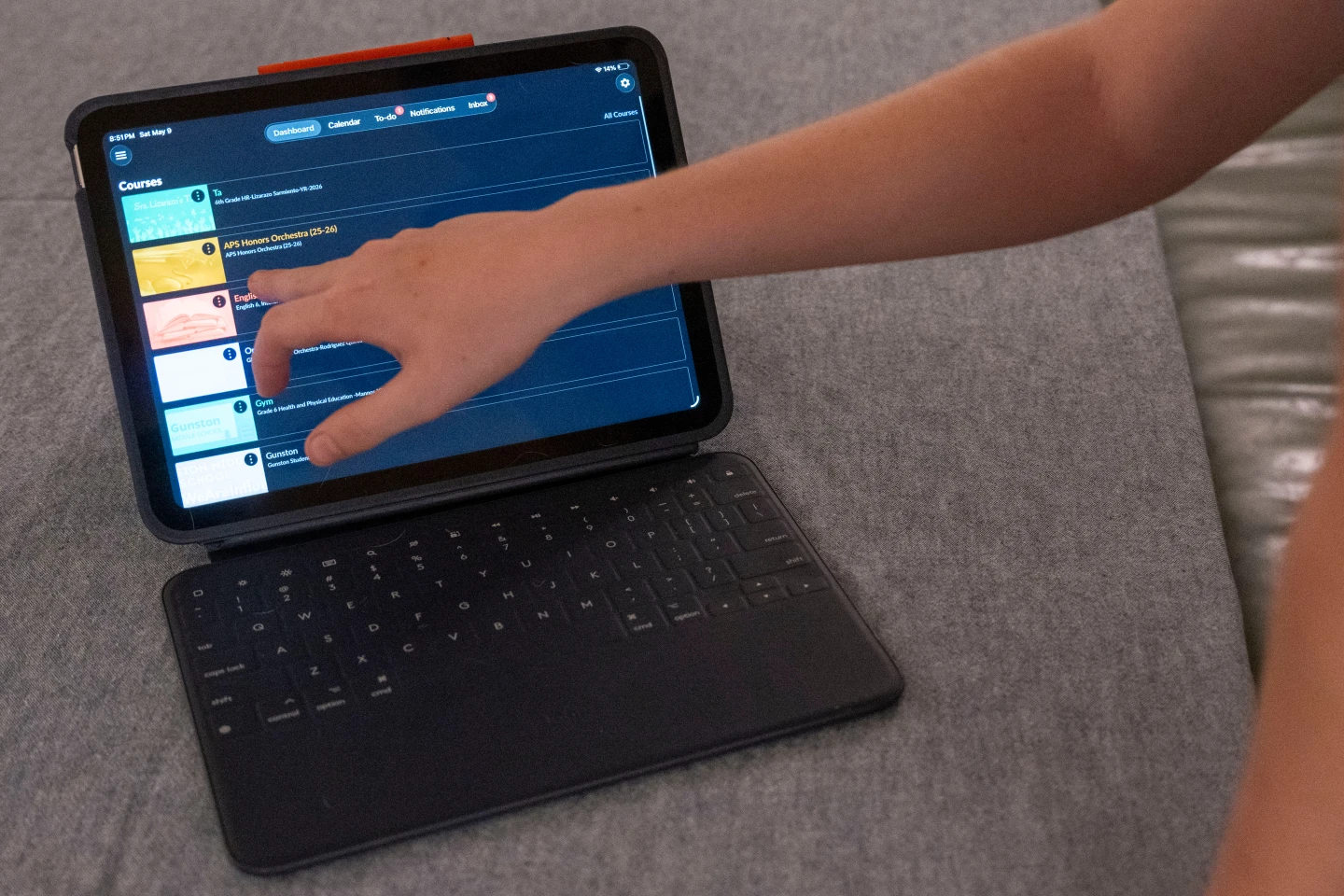
[ "Just a few years ago, schools across America were rushing to hand every child a laptop, the belief that a screen device was the key to the future of learning. Now the conversation has flipped—after investing billions in laptops, tablets, and education apps, many classrooms are facing a digital reckoning. Classrooms have become saturated with screens, and a growing number of parents, teachers, and school districts claim it’s time to scale back.", "‘The Chromebook is just a world of distraction,’ says Anna Soffer, a 6th‑grade English and history teacher in Los Angeles Unified. She still prefers pen‑and‑paper lessons, but is required to use laptops and online apps for certain activities. ‘Every day, I’m battling, “Who would you rather listen to, Ms. Soffer or Minecraft?”’ she says.", "Los Angeles Unified—the nation’s second‑largest school system—became the first major district to adopt a new policy that eliminates devices for children below third grade. The resolution, passed last month, also sets daily and weekly screen limits for all other grades, blocks YouTube on school devices, and bans the use of screens at lunch and recess in elementary and middle schools. Administrators will also audit the district’s technology contracts, a process that teachers’ unions say amount to $1.6 billion.", "The new rules add momentum to a nationwide push for reform. When the pandemic sped up the distribution of devices, the promise of better learning suddenly turned into a screen‑overload problem. Parents who had once lobbied for cellphone bans now claim that school‑issued tech undermines home limits. According to Ballotpedia, at least 14 states have proposed legislation to limit screen time in schools, and the U.S. Department of Health and Human Services issued an advisory last week warning that excessive screen use among youth is becoming a public‑health concern.", "One LA mother, Katie Pace, has rigorously limited her own household screens: a single iPad, a television, no screens during the week, and none in bedrooms. Her daughter, 8 years old, has no phone. But when the school bus takes her to school, the day turns digital—the 30‑minute ride is spent watching YouTube on the school Chromebook, and in class lessons are delivered through apps such as Duolingo. Parents accuse school‑issued devices of creating ‘screen addiction in their backpacks’.", "Over the past decade, the drive to provide every child with a device accelerated dramatically when the COVID‑19 pandemic forced schools online. By 2021‑22, 96 percent of U.S. public schools had school‑issued digital devices. Funding shifted from textbooks to digital materials and the edtech sector exploded into a multi‑billion‑dollar industry. Now, LA school board member Nick Melvoin, who drafted the new resolution, says it’s time to reset. He estimates that few LA classrooms use screens effectively for learning and “guys are swapping instruction with online apps instead of using screens as a crutch.”", "Some districts are experimenting with new limits. In the affluent Philadelphia suburb of Lower Merion, parents have launched a petition to opt students out of digital devices during school hours. The community cites evidence that digital tools may be harmful rather than helpful, noting test scores are at their lowest point. In Fresno, California, the largest district in the state is spending $4 million a year on laptop repairs and will stop sending laptops home. The Simi Valley district has already ceased issuing devices for younger kids and will store them in cart lockers.", "In Arlington, Virginia, a parents’ meeting focused on their children’s screen addictions. “We’re not Luddites,” said host LuAnn Oliver, “but we don’t want our kids on YouTube all the time.” The Arlington district has already stopped handing out iPads to pre‑kindergarteners and presently sets limits for elementary students, though students in grades 6‑12 must still use school‑issued devices.", "Across the country, schools and parents confront a dilemma: technology is deeply intertwined with modern instruction, yet it may be impairing learning and social development. LA’s policy marks the most aggressive attempt yet to uncover the real benefits of digital tools, while urging classrooms to focus on what the screen can uniquely provide—without turning the classroom into a distraction-filled battlefield. ", "Associated Press writer Sharon Lurye contributed to this report from Philadelphia." ]
Los Angeles Schools Slash Device Use, Push Back on Digital Overload
Los Angeles Schools Slash Device Use, Push Back on Digital Overload
LA Unified School District adopts a new resolution that eliminates school‑issued devices for students below third grade, imposes strict screen limits for older students, blocks YouTube on district devices, and bars tech use during lunch and recess. The move follows a national push to curb classroom distractions and re‑evaluate the role of technology in education.
Once hailed as a technological leap forward, the surge of devices and apps in U.S. classrooms is now prompting backlash. Los Angeles Unified’s latest resolution—making devices unavailable to the youngest students, setting daily and weekly screen caps, and banning screen‑based activity during breaks—marks the most comprehensive policy shift to date. Teachers, parents and other school districts across the country are reevaluating long‑standing tech‑for‑learning mandates, citing studies that show little educational benefit and growing concerns about screen‑related health risks.