In brief
The Lebanese Armed Forces announced the opening of a pilot zone in Zawtar al‑Gharbiyeh after Israeli troops pulled back following a United States‑mediated agreement. Engineers moved into the village, citing ongoing coordination with the Military Co‑ordination Group for Lebanon. Israeli troops fired warning shots when soldiers crossed into the so‑called security zone, sparking a brief exchange of fire. The move comes ahead of a Washington summit between President Donald Trump and Lebanese president Joseph Aoun, focused on ending Hezbollah’s armed presence in southern Lebanon and boosting the Lebanese army’s capacity.
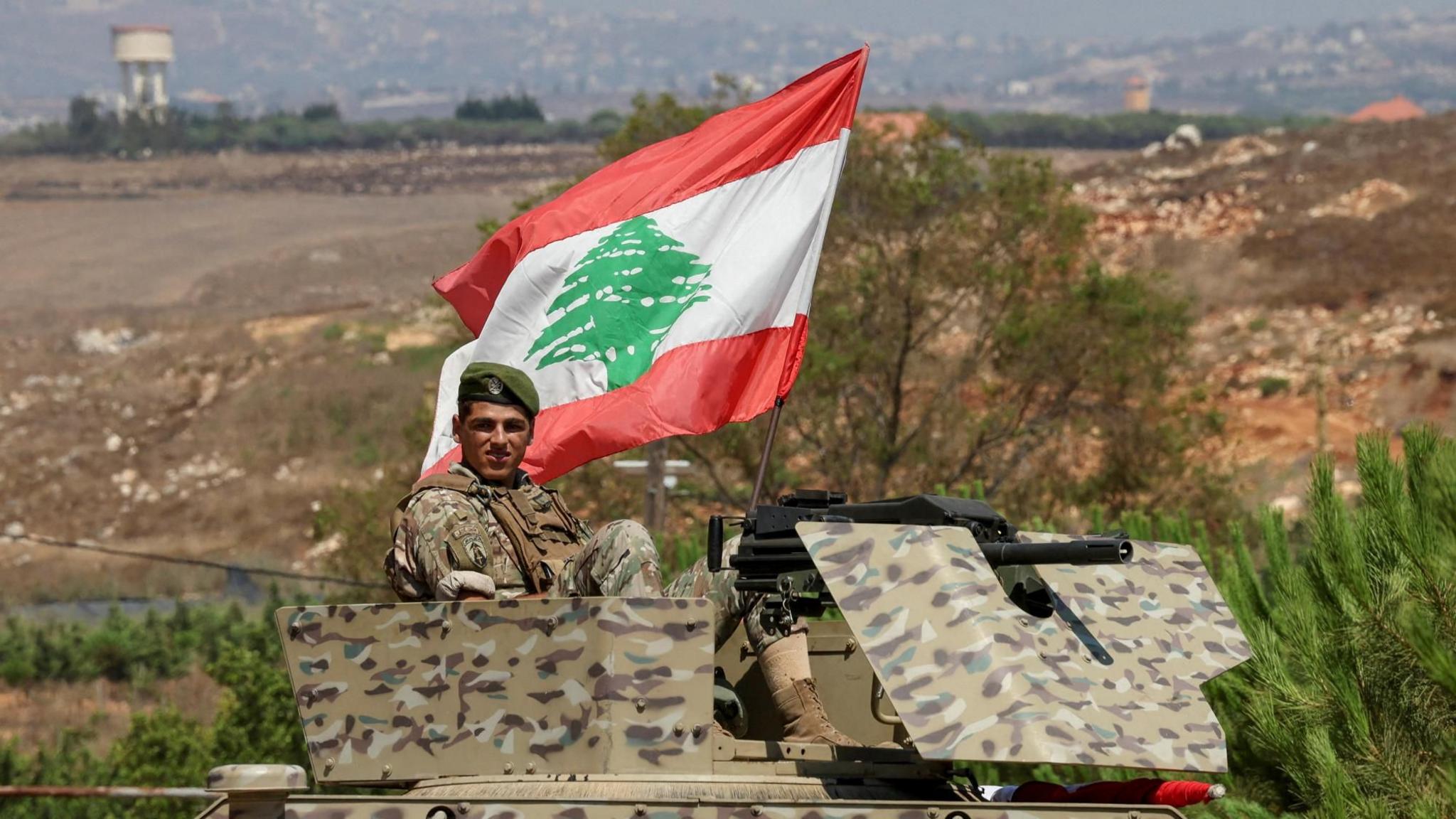
The Lebanese Armed Forces have begun deploying troops in the southern pilot zone following an Israeli pullback:
On Tuesday morning, engineering units entered Zawtar al‑Gharbiyeh, a village in Nabatieh district, as part of a trilateral compact agreed with Israel and the United States at the end of June. The move was announced by the army command in reference to ongoing communication with the Military Co‑ordination Group for Lebanon.
Israeli forces said they fired warning shots after the Lebanese troops crossed into what Israel calls the security zone. The Lebanese army confirmed the incident and reported that its troops withdrew unharmed.
The pilot zone plan is intended to pull Israeli troops out of a small portion of territory that had been occupied during the 2026 conflict with Hezbollah, while also laying the groundwork for the disarmament of the Iran‑backed group.
The deployment came ahead of a Washington meeting between U.S. President Donald Trump and Lebanese President Joseph Aoun, who urged the United States to press Israel to complete the pullback from southern Lebanon and to support the Lebanese army’s control over Hezbollah areas.
Trump stated that the U.S. would help Lebanon build the capacity to disarm Hezbollah, while acknowledging that Canadian troops would be ready to assist if needed. Aoun praised the joint commitment and reiterated that Lebanon’s state-run National News Agency had already warned of Israeli explosions in villages such as Beit Yahoun and Kounine.
Hezbollah rejected the agreement, calling the requirement that Israel withdraw only when the group was fully disarmed a violation of all political boundaries. The Israeli Defense Forces reiterated that they would remain in the security zone for as long as necessary to protect communities near the border.