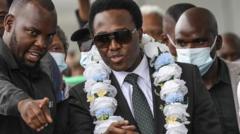
Mozambique's main opposition figure, Venâncio Mondlane, has indicated his readiness to accept a role within President Daniel Chapo's government, contingent upon the latter addressing key issues that have caused a protracted political crisis. In recent discussions with the BBC, Mondlane asserted that Chapo has the opportunity to foster dialogue by meeting specific demands, including the release of approximately 5,000 detainees arrested during post-election protests, compensating victims' families, and providing medical care for those injured.
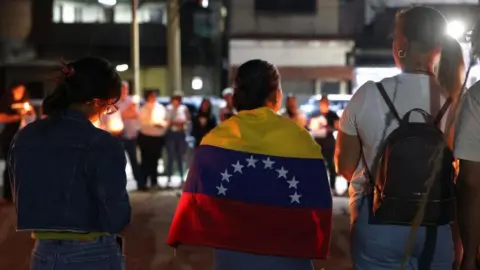
The political landscape in Mozambique remains fraught with tension following the controversial October election results, where Mondlane claimed the election was marred by fraud, an allegation Chapo has denied. Despite the Supreme Court declaring Chapo the victor with 65% of the vote, Mondlane's self-proclaimed "people's president" inauguration has further complicated the political dialogue.
Chapo, who assumed the presidency on January 15, has acknowledged the divisions stemming from the elections and has expressed a desire to implement reforms aimed at enhancing human rights and freedom of expression. His remarks suggest a willingness to establish an "inclusive" government, though he emphasizes the importance of qualifications for potential appointees.
At 47, Chapo was nominated by the Frelimo party, which has been the ruling party since Mozambique’s independence, in an effort to engage a youth demographic increasingly disillusioned with the status quo. Conversely, Mondlane at 50, who garnered substantial youth support through his campaign messaging, has distanced himself from the Renamo party, which he previously represented.
Both leaders have signaled a potential thaw in their relationship, with meetings planned to facilitate dialogue among various political factions. Mondlane’s openness to collaborative governance might offer a pathway to greater stability in Mozambique, contingent upon concrete actions from Chapo's administration.