In brief
Nationalist sentiments take center stage as prominent figures rally for an anti-globalist, conservative future in Europe.
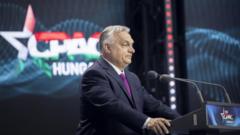
In a significant week for European conservatism, CPAC, the US Conservative Political Action Conference, has attracted notable attention with events in Poland and Hungary. The timing of these gatherings is pivotal as Poland prepares for its presidential election run-off this Sunday. The election pits CPAC-aligned nationalist candidate Karol Nawrocki against liberal Mayor of Warsaw, Rafal Trzaskowski, with CPAC-affiliated speakers branding it a "battle for Western civilisation".With Donald Trump reinstated as a powerful figure in the Republican Party, CPAC's influence has seen a resurgence. Hungary's Prime Minister Viktor Orban characterized Trump as a "truth serum" during the opening session in Budapest, indicating his vision for a "new Europe" rooted in nationalism, traditional family values, and a specific interpretation of Christianity. Orban's assertion that "Europeans do not feel safe in their own towns, homes, and countries" resonated with attendees, highlighting his concerns about immigration and cultural shifts.The conference featured a range of speakers from far-right factions, including Alice Weidel from Germany's AfD party and Geert Wilders from the Netherlands. Many criticized the European Union's Green Deal, which they argue undermines national interests in favor of immigration and gender inclusivity. Despite the spectacle of the event, which included lively music and striking visual elements, some long-standing politicians appeared caught in the overwhelming atmosphere. Orban lamented the perceived loss of identity, painting a picture of population replacement rather than integration, echoing sentiments shared by his far-right guests.The unity among right-wing leaders was palpable, as prominent figures like former British Prime Minister Liz Truss and members from countries as diverse as Australia and India joined in support. CPAC Hungary, unlike its American counterpart, has been perceived as engaging in more serious discussions, providing a rare platform for networking among nationalist and populist activists in Europe.Amid these political machinations, US Homeland Security Secretary Kristi Noem underscored US backing for Nawrocki during her speech at the Polish CPAC conference, assuring attendees of ongoing military support and highlighting the tangible benefits of a cooperative leadership.However, the broader MAGA movement, rebranded by Orban as 'Mega' for Europe, faces significant challenges. Recent electoral defeats for MAGA-backed candidates in Romania and Albania, as well as setbacks for conservative aspirations in Austria, have raised questions about the movement's long-term viability. With Hungary's elections approaching next April, questions loom over Orban's control and the sustainability of the nationalist sentiments sweeping Europe. The absence of key leaders, such as Italian Prime Minister Giorgia Meloni, and fresh data indicating a declining fertility rate in Hungary signal potential cracks within the conservative coalition.As the event in Budapest concluded with a sense of optimism for the Polish elections, the dynamics of European conservatism remain uncertain, pointing to an evolving political landscape very much influenced by the notion of solidarity among nationalist forces.