In brief
Recent analysis of debris found on Sydney's beaches revealed the presence of E. coli and faecal bacteria, leading to multiple beach closures in the region.
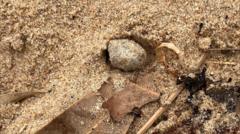
The Northern Beaches in Sydney were hit with a concerning mystery as marble-sized balls began washing up onshore, prompting the closure of nine popular beaches, including Manly and Dee Why, on January 14. Recent tests revealed these balls contained saturated fatty acids, E. coli, and faecal bacteria, raising health alarms for beachgoers. The Northern Beaches Council is now working with the New South Wales Environment Protection Authority (EPA) for a thorough investigation into the debris.The situation mirrors a previous incident from October, when similar black blobs appeared along Sydney's coastline, resulting in beach closures for several days and extensive clean-up efforts. This time, the council took proactive steps to clean up the latest batch, asserting that community safety remains a top priority. Residents were advised not to touch these mysterious balls and instead report their sightings to local authorities.In addition to the harmful acids and bacteria, the latest debris contained volcanic rock pumice. Mayor Sue Heins expressed hope that the EPA's analysis would help uncover the source of these balls to prevent future occurrences. Inspections of beaches will continue, and the community is encouraged to stay vigilant.The October incident saw the mysterious blobs initially misidentified as "tar balls," but further analysis uncovered a mixture of substances, including cooking oil, soap scum, medications, and even illicit drugs. Scientists noted that the debris resembled "fatbergs," which typically form in sewage systems. However, Sydney Water reported that its water treatment facilities are functioning properly, with no known issues contributing to the appearance of such debris along the coastline.