In brief
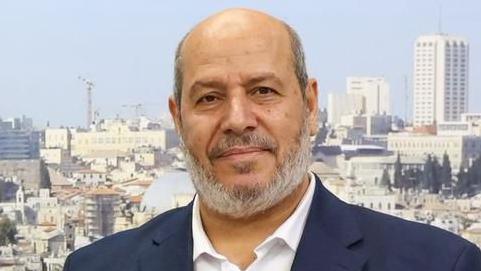
After the death of Yahya Sinwar last October, Hamas elected Khalil al‑Hayya as its new overall leader. Al‑Hayya, known for hardline positions and diplomatic experience, survived an Israeli air strike in Doha in September 2025. The election highlighted a split within Hamas between traditional exile leadership and the more militant Gaza faction. Al‑Hayya’s ascension signals continuity of the movement’s armed strategy while leaving open the challenge of meeting Israel’s demands for disarmament and reconstruction. The ruling climate in Gaza remains fragile as the group seeks to rebuild after the war’s devastation.
Hamas has chosen Khalil al‑Hayya as its new overall leader, replacing the late Yahya Sinwar who died in Gaza last October. Al‑Hayya, a 65‑year‑old veteran of the movement, was already heading the camp in Gaza from exile and is known for a hard‑line stance that emerged during the ongoing war with Israel.
He survived an Israeli air strike in Doha in September 2025 that targeted a Hamas meeting. The strike killed five lower‑level members, including a son of al‑Hayya and a Qatari security officer. Al‑Hayya’s survival and previous diplomatic work – leading delegations at ceasefire talks in Egypt and Qatar – have given him prominence on the international stage.
The election process spanned two rounds. In the first, former bureau chief Khaled Meshaal narrowly edged al‑Hayya but did not reach the 36‑vote threshold required by Hamas’s internal rules. In the runoff, al‑Hayya won by first‑past‑the‑post thereafter. The split in votes reflects a broader debate: Meshaal’s camp calls for a pragmatic political approach after the war, while al‑Hayya’s supporters insist on maintaining a hard‑line militant stance and resisting outright disarmament.
Hamas’s leadership struggle comes as the group faces enormous challenges. The Gaza war has decimated senior military and political figures, disrupted its governing structures, and caused widespread destruction. Far‑ahead, the movement must decide whether to continue its armed resistance or embrace political compromise to achieve Palestinian statehood and security guarantees.