In brief
This article explores how the Steart Marshes project has redefined flood management in light of increasing climate threats.
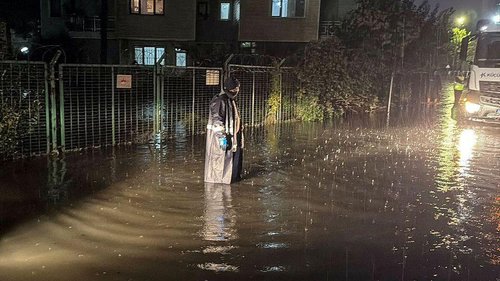
---The Somerset coast is seeing a revolutionary shift in flood management as local initiatives embrace the concept of letting the sea reclaim its territory. The Steart Marshes project, centered in southwestern England, represents an audacious departure from conventional flood defenses. Criticized by some officials as "ridiculous," the project has led to significant ecological changes and an unexpected sense of community resilience. Drenched by unprecedented rainfall for nearly two years — with September 2024 recording a month’s worth of rain in just one day — England has faced some of its most severe flooding situations recorded. Throughout the 18 months leading up to March 2024, the nation witnessed the wettest period on record. Fields submerged, homes damaged, and villages cut off highlighted the inadequacy of traditional flood defenses such as sea walls and tidal barriers against the backdrop of escalating climate crises and rising sea levels.In response to increasing weather volatility, a coalition of scientists and conservationists set forth a groundbreaking strategy at the Steart Marshes. Rather than building barriers against the encroaching sea, they have chosen to collaborate with nature, allowing excess waters to saturate low-lying areas, subsequently transforming those lands into vital salt marsh ecosystems. This ecological undertaking has proven to be more adaptable than concrete solutions and has garnered attention as a potential blueprint for future flood management practices.Amid these changes, local conservationist Alys Laver has taken the lead at Steart Marshes. With each high tide, the land becomes a dynamic ecosystem where wildlife can flourish, and natural flood defenses develop. Community sentiment has gradually shifted toward acceptance as the benefits of ecological restoration become visible, showcasing the ability of nature to recover and provide a buffer against storms.Though the transformation has not been without controversy, this novel initiative hopes to reshape the landscape of flood management in England, merging ecological benefits with increased community resilience in the face of climate change challenges. As Britain grapples with the reality of extreme weather, the Steart Marshes project stands as a testament to innovative thinking and the potential success of working with nature rather than against it.