In brief
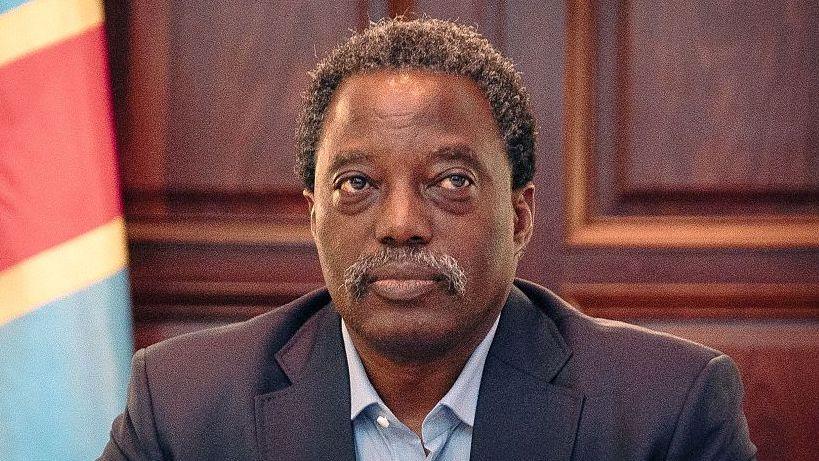
Former Democratic Republic of Congo president Joseph Kabila has been appointed leader of the Front for the Refoundation of the Nation (FRN), a new rebel coalition that plans to coordinate resistance forces to overthrow the current administration. The coalition, unveiled in a press conference at Kabila’s residence in Goma, will pursue its aims “by all means, including force,” according to a statement from the FRN. Kabila, who was sentenced to death in absentia a year ago for treason, now faces mounting pressure as eastern DR Congo remains a hotbed of militia activity. The move comes amid criticism of President Félix Tshisekedi’s administration and raises concerns over the country’s fragile election timeline. Analysts warn that the new coalition could destabilise an already volatile region dominated by over 100 armed groups fighting for political power and control of lucrative mineral deposits.
Former president Joseph Kabila has named himself head of a new armed group called the Front for the Refoundation of the Nation (FRN), a move that could spark a fresh wave of violence in eastern Democratic Republic of Congo.
The FRN says it will coordinate “resistance forces” to end what it calls the tyranny of the current government, and it is prepared to use all means, including force, to achieve that end.
The announcement at a press conference held in Kabila’s home in Goma represents the clearest evidence of his active involvement in an armed campaign, a year after court documents condemned him to death in absentia for treason. Kabila had denied ties to the M23 rebel group, but the new coalition now brings the M23 leader Sultani Makenga as one of Kabila’s four deputies, along with other figures from the AFC-M23 alliance that seized mineral‑rich areas last year.
The move comes after Kabila publicly criticised President Félix Tshisekedi’s administration for ignoring his proposals and for what he calls neglect of constitutional rule, economic mismanagement and security failures. He also accused the government of arbitrarily arresting political opponents and military officers.
The government has yet to respond to the allegations or to the creation of the FRN.
Easter‑state Congo is home to more than a hundred militia groups that frequently clash over power and the exploitation of valuable natural resources. The resurgence of an armed coalition at this time heightens fears for an already fragile political climate, as President Tshisekedi’s second term is set to end in 2028 and the country faces uncertainty over whether elections will take place.
The parliament’s recent approval of a bill that could pave the way for a referendum removing the constitution’s two‑term limit has already sparked protests, and the situation remains tense as the region in the east has resurfaced with active rebel activity under the M23 banner. This development by Kabila adds another layer of complexity to an ongoing crisis that has claimed thousands of lives over the past decade.