In brief
A powerful earthquake struck Kumamoto on Tuesday, registering at 6.8 magnitude, leaving at least 13 dead and over 100 aftershocks shaking the region. Rescue crews are working all day to find survivors in collapsed buildings, especially the Aeon Mall where an explosion followed a partial second‑floor collapse. Evacuees endure heatstroke risks as temperatures hit 35°C and power outages persist. Japanese authorities have increased personnel and flown 300 air‑conditioners into the worst‑hit areas while urging residents to remain vigilant for further strikes.
Japan’s southeastern island of Kyushu was jolted by a magnitude‑6.8 earthquake on Tuesday, leaving at least 13 people dead, wounded and missing, and shattering the sense of safety for residents. The quake’s shallow epicentre – only 10 km deep – was located about 20 km south of Kumamoto city, triggering more than 100 aftershocks that continue today.
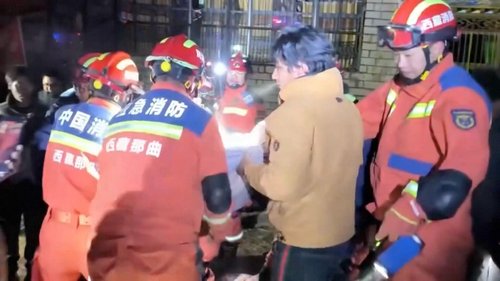
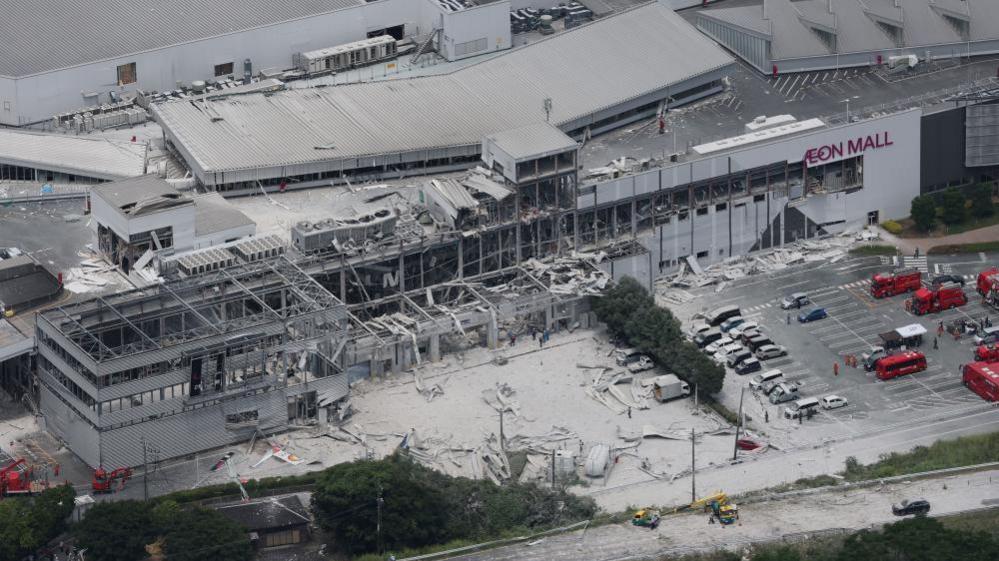
Rescue teams are combing rubble at a paper factory, a shopping mall, and a Yatsushiro City factory where nine workers are still unaccounted for. The Aeon Mall in Kashima town suffered a partial second‑floor collapse that sparked a powerful explosion an hour after the main quake. Initial reports indicate three fatal injuries, three missing employees, and four people injured, including one in cardiopulmonary arrest.
Prime Minister Sanae Takaichi has called the situation “a race against time,” stressing that thousands remain in evacuation centres with no electricity or adequate cooling. The Japan Meteorological Agency has urged residents to monitor alerts for further strong earthquakes predicted for the next two to three days.
Survivors have described terrifying scenes. 75‑year‑old Hiroko Ogata felt a sudden, crushing jolt while at a restaurant in Yatsushiro, believing she would die. American tourists chanting in a bus saw phones give off emergency alerts as the ground shook relentlessly.
The disaster affected more than 4,600 responders who continue to work under scorching heat, with temperatures inside and outside not falling below 35 °C (95 °F). Defence Minister Shinjirō Koizumi promised the delivery of 300 air‑conditioning units to the worst‑hit areas, a relief effort supported by local volunteer groups.
Physical damage is extensive: cracked roads, collapsed buildings, burning structures, and suspended train services. The most immediate critical tasks remain locating survivors among the rubble, providing medical care, and restoring essential utilities. The Japanese authorities’ report that the Japan Meteorological Agency measured the quake at a 7.1, while USGS later quoted 6.8, underlines the complexity of seismic data accuracy.
Rescue workers remain on the job as the region continues to grapple with aftershocks, a scorching heatwave, and the urgent need for medical and shelter support. The local community is in a phase of mourning and hope, as officials push to finish cleanup and restore normalcy to the devastated coastline.