In brief
Amidst the devastation of the ongoing conflict, freelance journalists in Gaza are enduring severe food shortages, impacting their health and their ability to report.
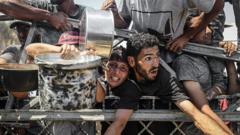
Three dedicated freelance journalists in Gaza, who provide critical coverage for major news outlets, are currently grappling with extreme food scarcity. They report going days without meals, struggling to support their families as violence escalates and access to basic necessities diminishes. Despite the personal tragedies they endure—including losing loved ones and their homes—they continue to film vital footage. One journalist expressed that this period is "the hardest time I have lived through" and described the experience as one of "huge suffering and deprivation." Although global food security experts have not declared a famine in Gaza, UN agencies have warned about the alarming rise in man-made starvation conditions. Responsibility has been attributed to Israel due to its control over supply routes, which they deny.These journalists have become the crucial link between the world and the struggles faced by civilians in Gaza; however, they now find it challenging to sustain their families. One cameraman recounted the plight of his autistic son, who has begun signaling for food by hitting his stomach. Another reporter, who supports his family of seven, remarked on the desperate situation their thirteen-year-old sister faces as she asks repeatedly for food and water, which are both scarce and often contaminated.In a chilling account, a veteran journalist described the toll of starvation on his health—losing significant weight and facing constant fatigue and dizziness. Previously able to work extensive hours, he now struggles to complete even a single report. Other journalists confirmed similar experiences of weakness and exhaustion.As starvation becomes an additional risk for those already reporting on the war’s brutal realities, journalism organizations, including the BBC and AFP, have vocalized serious concerns for the wellbeing of these local reporters. They highlighted the urgent need for food supplies to reach the population of Gaza, emphasizing that journalists are suffering alongside those they cover.With banks mostly closed and cash transactions limited, accessing money to buy food has become a laborious challenge. Many have resorted to charity kitchens for one meager daily meal, illustrating the grim survival tactics employed in this crisis.In light of the tight restrictions on foreign journalists entering Gaza, media organizations continue to advocate for improved access to ensure that essential reporting continues. A joint statement from multiple countries condemned the war and called for international compliance with humanitarian concerns, underlining the desperate need for humanitarian aid to flow into Gaza. The current situation remains dire, as hunger permeates through every household, leading many to describe their experience as a “suspended death sentence.”