In brief
This article exposes the grim realities faced by teens sent to military-style schools in China, where reports of physical and sexual abuse are rampant. Testimonies from former students, who endured violent disciplinary measures, highlight the lack of regulation in this controversial sector, prompting calls for reform and accountability.
Warning: This report contains details of physical and sexual abuse and discussion of suicide.
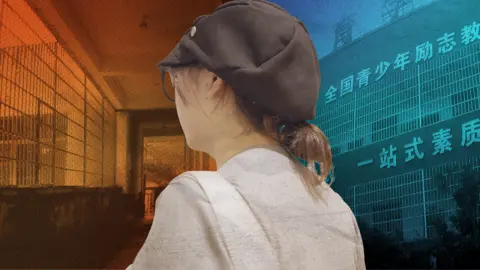
At just 14, Baobao’s experience at Lizheng Quality Education School was marked by torture and fear, confined to a military-style institution intended to discipline 'misbehaving' teens. During her six-month ordeal, Baobao and others faced extreme punishment for minor infractions, often leaving physical marks on their bodies and deep emotional scars.
A recent BBC investigation uncovered numerous allegations of abuse across a network of such schools, where out-of-control corporal punishment still lurks beneath the facade of reform. Corporal punishment is illegal in China, yet the harsh realities of students' lives speak volumes about the industry's opacity and exploitation.
Baobao, who now shares her story under a pseudonym for fear of retaliation, revealed her distressing experiences, including thoughts of suicide and witnessing fellow students battling despair. Her tale aligns with testimonies from 23 former students detailing violent punishments, sexual harassment by staff, and coercive abduction tactics where instructors posed as police officials.
The problem is compounded by the fact that parents, often desperate for solutions to apparent behavioral issues, willingly enroll their children in these institutions, which operate as semi-legal entities under a facade of discipline. Despite several incidents resulting in police investigations, the loopholes in regulation have allowed these centers to quickly adapt and open under new names.
Moreover, valuable insights from experts indicate that parental social pressures and the educational system's failure to address young people's mental health contribute to the rise of these institutions. As Baobao lamented the loss of her education and future possibilities, others have taken to activism, trying to document abuse and share their stories widely in hopes of sparking reform.
Echoing these sentiments, a former student named Enxu documented her experience in letters smuggled out of her school, leading to intervention by authorities when her friends alerted the police of her disappearance. Her escape only highlights the pervasive issues facing youth in these settings and the urgent call for greater accountability and oversight in China’s educational sphere.
As activists and survivors continue their efforts to dismantle these exploitative systems, the stories of Baobao and Enxu serve as a stark reminder of the pressing need for systemic change and compassion for the youth forced into these environments.