In brief
Scientists are exploring groundbreaking techniques to treat autoimmune diseases by reprogramming patients' immune systems. Traditional therapies dampen symptoms but do not correct underlying issues. New methods aim for precise targeting, potentially leading to cures for diseases like lupus and rheumatoid arthritis. Clinical trials are already showing promise, with patients experiencing significant improvements in their conditions. The research community is optimistic about the future of autoimmune disease treatment, with a focus on innovative therapies.
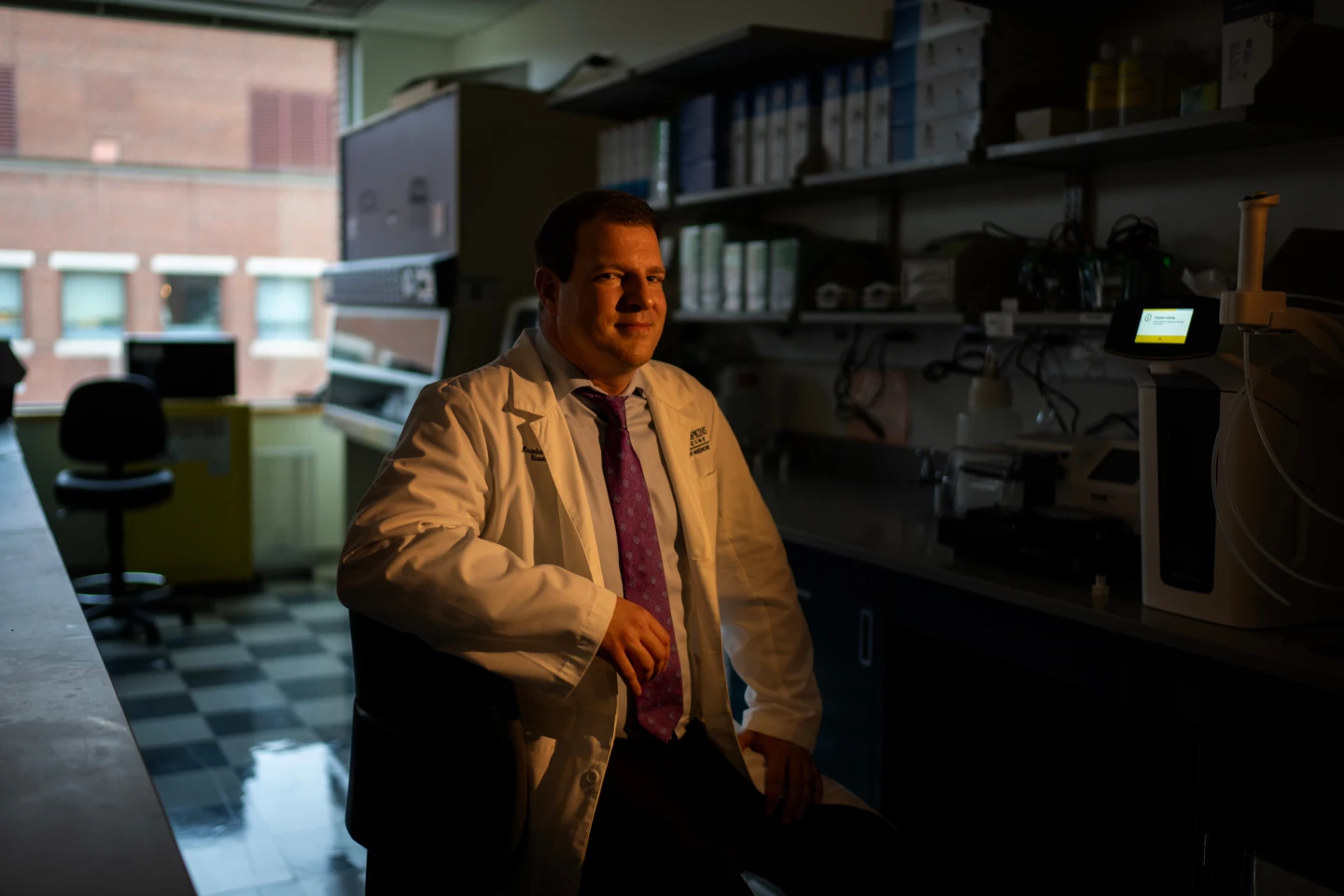
Scientists are trying a revolutionary new approach to treat rheumatoid arthritis, multiple sclerosis, lupus and other devastating autoimmune diseases – by reprogramming patients’ out-of-whack immune systems. When your body’s immune cells attack you instead of protecting you, today’s treatments tamp down the friendly fire but they don’t fix what’s causing it. Patients face a lifetime of pricey pills, shots or infusions with some serious side effects — and too often the drugs aren’t enough to keep their disease in check. 'We’re entering a new era,' said Dr. Maximilian Konig, a rheumatologist at Johns Hopkins University who’s studying some of the possible new treatments. They offer 'the chance to control the disease in a way we’ve never seen before.' Researchers are altering dysfunctional immune systems, not just suppressing them, in a variety of ways that aim to be more potent and more precise than current therapies.