India’s NEET exam scandal: Will digitalisation finally stop paper leaks?
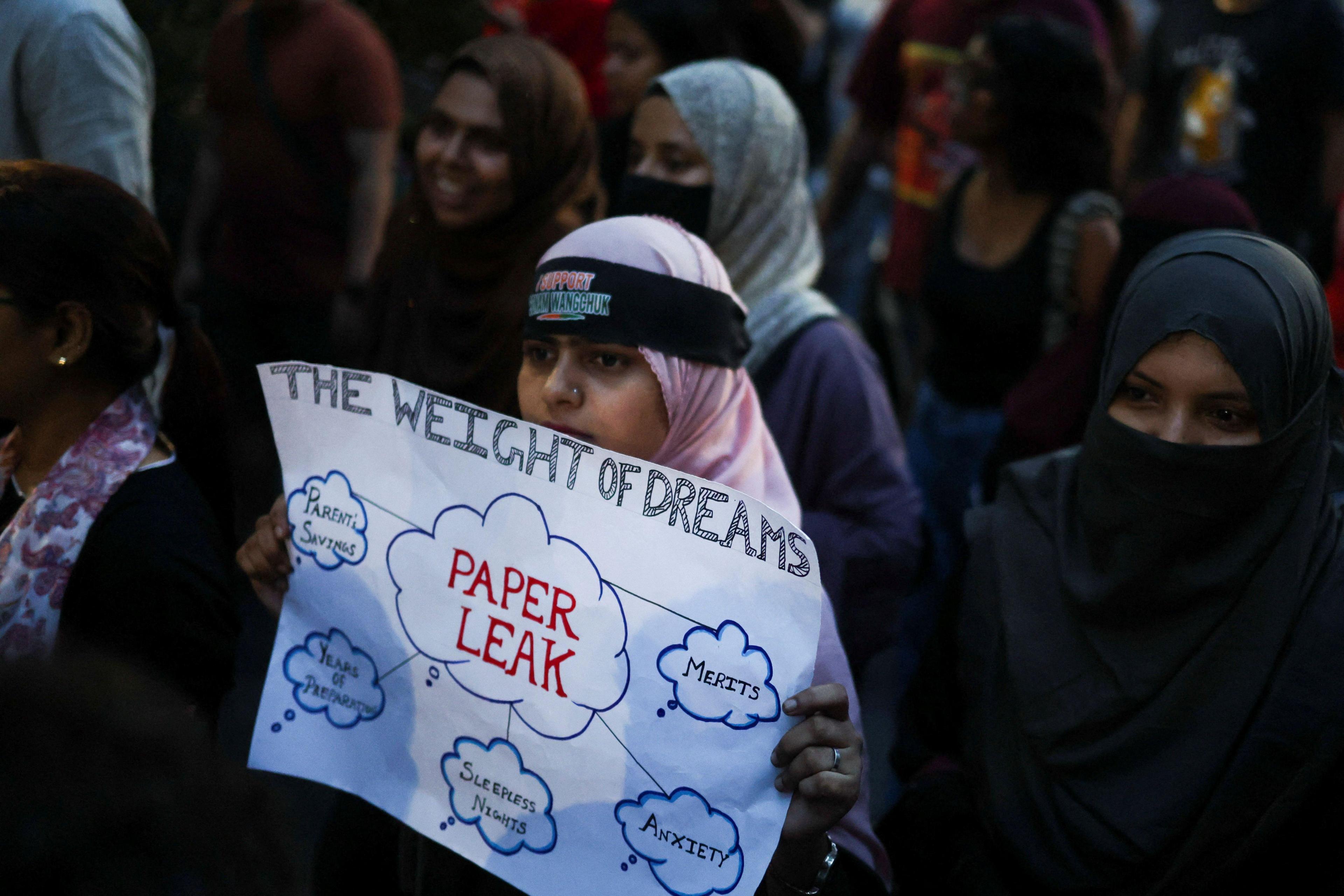
A wave of protests erupted across India after the National Eligibility Cum Entrance Test (NEET) saw leaked test papers. The backlash was strong enough that Education Minister Dharmendra Pradhan stepped down. Parents and students, many of whom believed the leaked papers directly impacted their future, called on the government to “act on a war footing” and overhaul exam security.
Prime Minister Narendra Modi announced a task force led by former Infosys chief Nandan Nilekani to overhaul the National Testing Agency (NTA) and move NEET to computer‑based testing (CBT). While a judge in the Supreme Court praised the effort, she warned: “CBT alone will not erase the risk of leaks.” The comments underline a broader problem – the lack of trust in the exam’s ecosystem.
Leaks have struck at two distinct points of the process. In 2024, a small group of 40‑50 people allegedly opened sealed trunks during transit, while in 2026, teachers are accused of leaking papers from inside the system. The 2026 breach exposed a vulnerability that exists before the paper leaves the NTA’s secure chain, suggesting that security measures must start at the source.
Experts say that the real “root of trust” resides with question‑setters and invigilators. If either group is compromised, the system is built to fail. Prof. V Kamakoti, IIT‑Madras director and task‑force member, proposes extensive CCTV and AI‑driven monitoring to spot suspicious behaviour in real time. “The invigilator part we can handle,” he states, while arguing that moving exams online will substantially raise security.
However, the cost of a fully computer‑based NEET is non‑trivial. Presently, only approximately 300,000 candidates can undertake a CBT session in one go – far below NEET’s 2.2 million test‑takers. To accommodate all candidates, the exam would need multiple sessions or a massive expansion of CBT infrastructure.
Computer‑based testing, though, is not a panacea. Dr. Debananda Misra, IIT‑Delhi policy expert, cautions that hardware glitches, uneven digital literacy, and a single high‑stakes test amplify malpractice incentives. He stresses that the government should pursue robust governance, reduce reliance on one exam, and introduce multiple assessment avenues.
Despite the task force’s expertise and Modi’s political promise to fight the “paper‑leak mafia,” most of the 110 recommendations from a previous review have not been implemented. That leaves the future elections, spanning December to June, precarious. Ultimately, the momentum for change hinges on whether students can once again believe the system is fair and transparent.