In brief
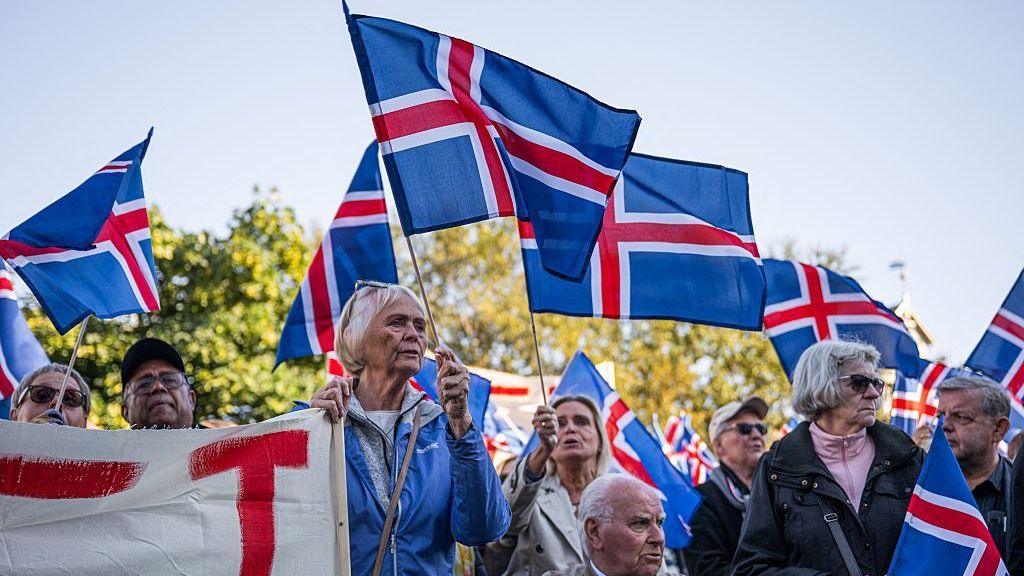
Iceland is holding a referendum to decide if it will restart negotiations to join the European Union after a 13‑year break. Opinion polls show a razor‑thin margin, with the “No” campaign currently ahead at 51.6 %. The vote hinges on matters such as fishing rights, sovereignty, and the country’s security ties with NATO and the United States. A Yes vote would open the door to deeper EU integration, while a No vote would preserve Iceland’s current autonomy over its waters and resources.
Prime Minister Kristrún Frostadóttir’s centre‑left government set the referendum in motion, hoping to decide whether Iceland will resume talks to enter the European Union. The vote will take place Saturday from 09:00 to 22:00 GMT, with early‑voting figures already showing that more than a fifth of the electorate have cast their ballots.
What is the vote about?
The ballot question is: "Should Iceland resume accession negotiations with the European Union?" A Yes vote would not automatically grant membership; it would launch a renewed accession process, requiring a second referendum, parliamentary approval and constitutional amendments. An EU membership would bring Iceland into the customs union and eventually to adopt the euro, though it already participates in the single market as part of the European Economic Area.
Key Issues at Stake
Sovereignty and fishing rights dominate the debate. Iceland’s marine industry accounts for nearly 40% of its exports, and the No campaign fears that the EU’s Common Fisheries Policy would limit the country’s control over its seas. While Brussels has suggested potential exemptions, fishing remains a historic stumbling block that stopped the original 2013 pause of talks. Pride in national independence, which underpinned Iceland’s 1944 sovereignty, rests on the successful outcome of the Cod Wars with the United Kingdom.
Economically, Iceland’s pre‑2008 prosperity has been followed by high interest rates (8%) and inflation (5.6%) in the post‑financial‑crisis era. Proponents of a Yes vote argue that closer EU ties would help lower economic pressures, while the No side stresses that EU membership would not replace Iceland’s current security arrangement with NATO and a bilateral U.S. defense pact.
Security Concerns
Iceland, a founding NATO member with no standing army, depends on allied defence. The No campaign emphasises that EU membership is not a substitute for NATO, and that the long‑standing U.S. defence pact remains vital. Recent EU‑Iceland security partnership agreements also signal that the EU offers a community of values and prosperity, but the debate has kept security low on the agenda compared to fisheries and sovereignty.
Campaign Voices
In a televised debate, Prime Minister Kristrún Frostadóttir led the Yes campaign, arguing that EU membership would deepen Iceland’s already‑existing integration and act as a “biggest risk‑reducing step.” She clarified that a Yes vote was not a final decision to join, nor would a No override the result.
Opposition leader Guðrún Hafsteinsdóttir, chair of the Independence Party, led the No campaign, framing the vote as a question of whether to cede fishery and agricultural decision‑making powers to Brussels. She maintained that Iceland already collaborates well with Europe and that the referendum should preserve national control over natural resources.
The “Yes to See” group has urged Icelanders to explore what deal the EU could offer, emphasising the need for transparent information before committing. While a No outcome would not shut the door to future talks, it would affirm the current stance on key sovereignty issues.
As voters head to the polls, the outcome will shape Iceland’s future relationship with Europe, its economic prospects, and its strategic security framework, with results expected in the early hours of Sunday.